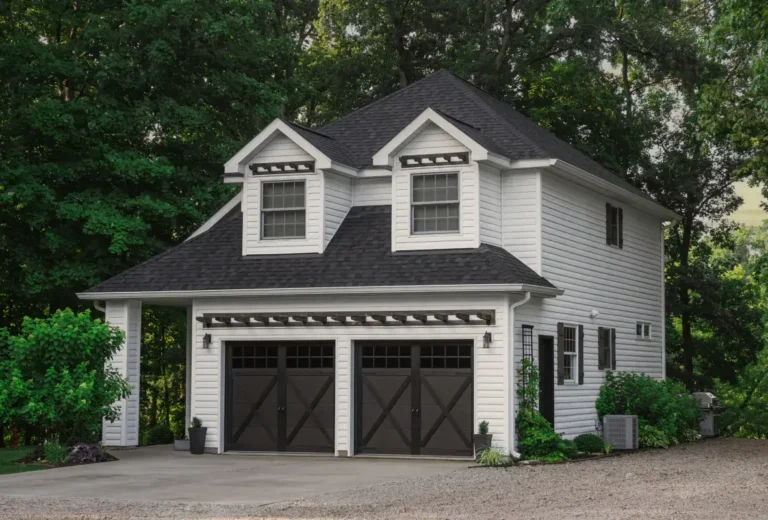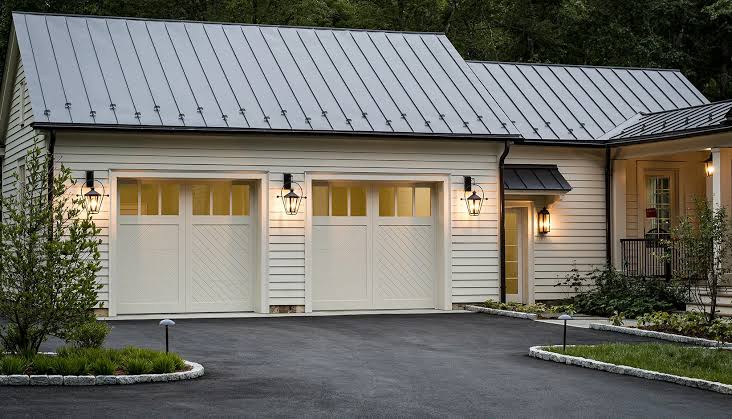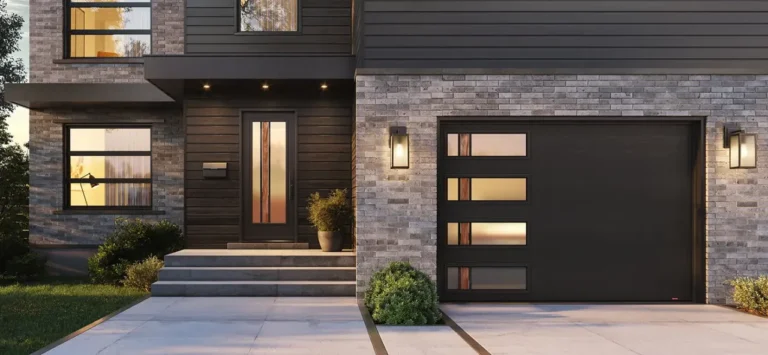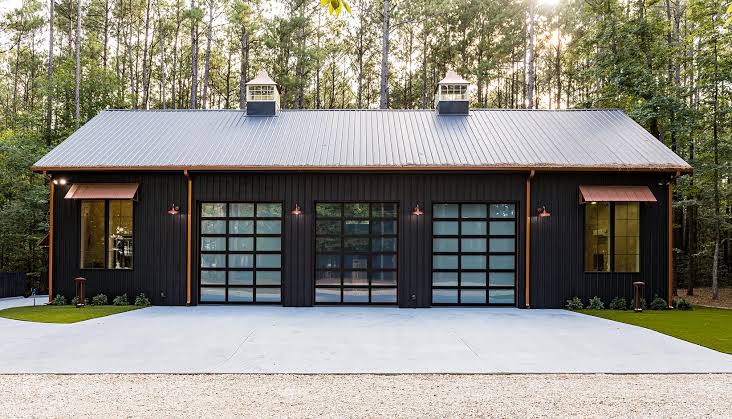
Premium Pertalite Architectural Garage Doors USA: Complete Industry Standard Analysis
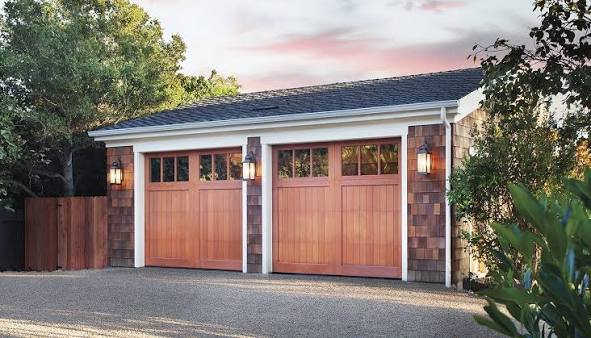
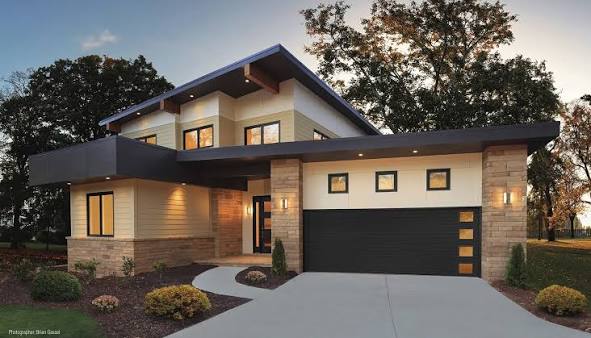
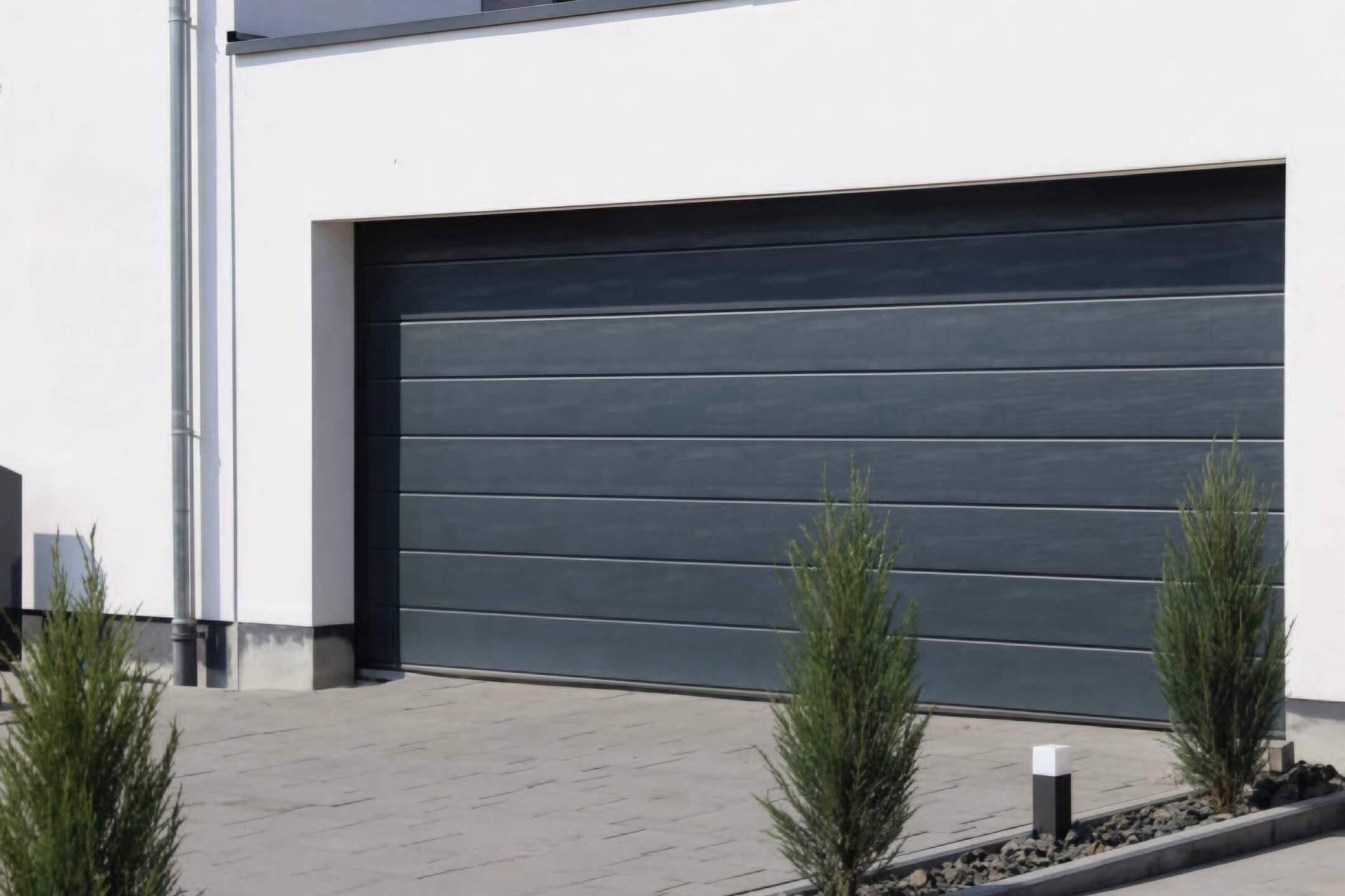
Integrating custom building envelopes demands careful balance between thermal performance, mechanical reliability, and structural aesthetics. Premium Pertalite Architectural Garage Doors USA. Large residential access openings present complex challenges for structural engineers and architects alike. Because garage openings routinely consume up to one-third of a primary elevation, selecting robust composite assemblies becomes essential for thermal integrity and long-term asset value.
Modern building science has driven material innovation far past traditional timber frame construction. Advanced mineral-reinforced composite panels, lightweight core substrates, and engineered skin overlays now allow residential structures to achieve high wind resistance without excessive operational weight. These systems protect interior environments while maintaining crisp architectural sightlines under extreme weather conditions.
Evaluating engineered architectural access systems requires understanding physical performance metrics, climate-specific material reactions, and mechanical counterbalance dynamics. Project managers avoid systemic structural failures by evaluating how composite cores, perimeter thermal breaks, and structural frames operate together under continuous atmospheric exposure.
Understanding Premium Pertalite Architectural Garage Doors USA
Analyzing premium pertalite architectural garage doors usa requires stepping past surface aesthetics to examine real-world material performance and mechanical engineering. Categorizing a single building assembly as universally superior overlooks the realities of diverse microclimates across North America. A heavy composite door assembly specified for high-humidity coastal zones operates under entirely different environmental stresses than the same panel profile installed in an arid high-desert environment. Structural success is defined by how precisely the core composition, frame joinery, and protective surface treatments adapt to local environmental forces.
A frequent misunderstanding involves confusing lightweight mineral-bound cores with low-density synthetic insulating foams. High-performance pertalite composite cores use expanded mineral matrices bound with specialized thermosetting resins. This structural composition yields high compressive strength alongside natural fire resistance and dimensional stability under severe temperature shifts. The resulting panels resist warping, sagging, and twisting far better than unreinforced timber or thin sheet metal assemblies.
Another oversimplification treats protective exterior finishes as permanent surface barriers rather than working sacrificial layers. Factory-applied UV-stabilized coatings and elastomeric sea-coatings undergo steady chemical degradation under direct solar radiation and atmospheric moisture exposure. Long-term performance relies directly on strict adherence to field maintenance schedules across the operational lifecycle.
Evolution of Advanced Material Assemblies
Residential garage design across North American regions originated from nineteenth-century timber carriage structures designed to shelter horse-drawn vehicles. These early swing-out carriage gates depended on solid white pine or native oak framing, heavy wrought-iron straps, and deep timber lintels. Spatial clearances were limited, and manual operation was required.
The mechanical development of overhead tracking hardware during the early twentieth century altered residential planning principles. Shifting from swinging gates to articulated overhead panels required lighter materials that retained high structural rigidity. Early sectional systems adopted old-growth Douglas fir and redwood frames, which balanced strength with workable physical density.
Post-war building booms accelerated the adoption of stamped steel panels and structural plywood cores. While economical, early metal systems suffered from thermal bridging and rust, while basic plywood layers delaminated under continuous rain exposure. Late-twentieth-century material research yielded mineral-bound composite substrates, introducing high-performance pertalite cores that eliminate moisture absorption while delivering elevated thermal insulation.
Structural Frameworks and Environmental Mechanics Premium Pertalite Architectural Garage Doors USA
Evaluating architectural entrance systems requires rigorous structural and material frameworks. Understanding how composite substrates react to dynamic mechanical and atmospheric loads enables building owners to make grounded technical choices.
Thermal-Moisture Equilibrium Model
Composite panels containing organic fibers absorb and release ambient air moisture until reaching equilibrium. The equilibrium moisture content shifts continuously along seasonal humidity curves. When moisture absorption is uneven across interior and exterior panel faces, differential expansion creates structural distortion. High-specification composite doors solve this by pairing balanced face sheets with internal vapor-barrier skins and mineral pertalite cores.
Structural Load and Spring Balancing Dynamics
Heavy exterior panels add substantial dead load to structural header beams and spring assemblies. High-density composite faces yield high impact resistance, but excessive mass requires commercial-grade counterbalancing hardware. Lighter panel designs lower mechanical strain on torsion springs, yet low-mass faces remain vulnerable to wind-borne debris. Designers balance face durability against total operating mass to ensure safe mechanical cycles.
Core Specifications and Material Categories
Durability depends on the selected panel substrate and face composition. Fungal resistance, impact tolerance, and thermal values vary across modern composite classifications.
Mineral-Bound Pertalite Cores
Mineral-bound pertalite cores represent a major step forward in stability for premium pertalite architectural garage doors usa. Expanded mineral aggregates are combined with thermosetting resins under elevated heat and pressure. The resulting core exhibits excellent fire retardancy, negligible moisture absorption, and low thermal conductivity. Its continuous internal structure prevents core collapse under sustained wind pressures.
Fiberglass-Reinforced Polymer Skins
Fiberglass-reinforced skins offer high tensile strength alongside complete resistance to rot and atmospheric corrosion. When bonded to a dense pertalite substrate, these skins form a rigid structural sandwich. The face accepts detailed woodgrain molding or smooth architectural textures without showing metal panel oil-canning.
Anodized Aluminum Frame Structures
Extruded aluminum frames provide structural perimeter support while keeping assembly weight within manageable limits. Anodizing creates an oxide surface layer that resists atmospheric corrosion in coastal marine settings. Internal thermal breaks must be specified within the aluminum profiles to stop direct heat transfer into garage interiors.
High-Density Polyurethane Composite Panels
High-density polyurethane panels combine insulating foam technology with structural mineral fillers. These panels deliver high R-values per inch of thickness, making them suitable for cold northern climates. However, prolonged surface exposure to extreme heat requires light-colored reflective finishes to prevent face movement.
Structural Steel Structural Overlays
Galvanized steel overlays offer high puncture resistance and security for commercial or urban residential installations. When layered over a mineral core, steel provides strong structural performance against physical impact. All cut edges must be sealed during field installation to avoid edge rust in high-rainfall regions.
Comparative Evaluation Matrix
| Material Classification | Core Density Metric | Decay & Rot Resistance | Relative Cost Index | Surface Finish Stability |
| Mineral Pertalite Core | Medium-High | Exceptional | High | Excellent |
| Fiberglass FRP Skin | Low-Medium | Superior | High | Excellent |
| Anodized Aluminum Frame | Medium | High | Premium | Superior |
| Polyurethane Composite | Low | High | Moderate | Good |
| Galvanized Steel Overlay | High | Moderate | Budget-Friendly | Fair |
Implementation Logic for Structural Specifiers
Selecting structural openings requires evaluating local climate metrics against physical product performance. Specifiers use structured decision steps to select appropriate assembly configurations:
Solar Radiation and Thermal Exposure
Structures facing direct southern or western sunlight experience elevated face temperatures. Dark finishes absorb radiant energy, raising core temperatures and accelerating chemical degradation of clear coats. Light reflective tones on pertalite substrates prevent thermal expansion stress.
Mechanical Load Engineering
Architects calculate opening dimensions and total panel mass before specifying support hardware. Assemblies exceeding four hundred pounds require 3-inch industrial track profiles, solid steel shafts, and high-cycle torsion spring configurations.
Maintenance Cycle Planning
Factory-applied fluoropolymer coatings offer extended maintenance intervals up to ten years. Conversely, field-applied polyurethane sealants require visual inspection every twelve months and complete re-application every three to five years depending on UV exposure.
Scenario Analysis across Regional Climate Zones Premium Pertalite Architectural Garage Doors USA
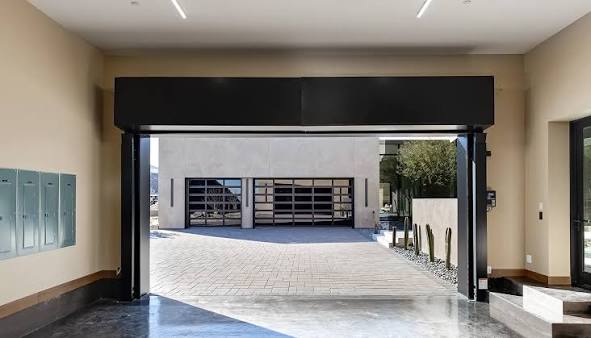
Custom access installations introduce distinct structural challenges across varying North American geography.
Salt-Air Marine Environments
Installing building envelopes within five miles of sea coastlines introduces accelerated corrosion risks. High salt concentrations degrade standard galvanized steel tracks and iron fasteners rapidly. In these regions, premium pertalite architectural garage doors usa must feature marine-grade composite backing panels, 316-stainless steel mounting hardware, and sealed anodized track assemblies.
Alpine High-Altitude Zones
Mountain environments subject exterior assemblies to extreme UV index values alongside sudden temperature drops. Rapid thermal shifts cause standard materials to fracture along grain lines or frame joints. Mineral-bound pertalite cores maintain dimensional stability across thermal swings because their expansion coefficient is low.
High-Wind Hurricane Regions
Coastal zones subject building envelopes to sudden internal pressurization if exterior openings fail. Access doors must meet strict wind-load criteria, including positive and negative pressure testing. Integrated horizontal steel re-bar supports and heavy-gauge track brackets are required to prevent panel blowout during storm events.
Financial Dynamics and Operational Capital
Investing in architectural access systems involves calculating initial material purchase costs against long-term operational maintenance. Financial requirements shift based on core composition, frame customization, and hardware specifications.
| Component Category | Single-Car Span (8×7 ft) | Double-Car Span (16×7 ft) |
| Base Pertalite Composite Panel Set | $3,200 – $5,500 | $6,000 – $11,000 |
| Heavy-Duty Stainless Track Hardware | $500 – $900 | $850 – $1,600 |
| High-Torque Shaft-Drive Opener System | $500 – $950 | $750 – $1,300 |
| Professional Engineering & Installation | $800 – $1,500 | $1,400 – $2,800 |
Indirect expenditures include periodic surface maintenance, sealant inspection, and mechanical spring balancing. Neglecting routine adjustments causes track binding, which leads to premature motor gear failure and panel damage.
Technical Support Systems and Field Maintenance
Preserving high-performance composite assemblies requires appropriate field equipment and systematic maintenance procedures. A complete toolkit keeps structural components operating within designed tolerances:
-
Non-Curing Polyurethane Sealants: Applied around glass inserts and perimeter frame joints to prevent water infiltration.
-
Fluoropolymer Refinishing Compounds: Formulated to restore UV resistance on weathered face panels.
-
Synthetic Roller Lubricants: Non-tacky formulas that protect bearing races without attracting road dust.
-
316-Stainless Fastener Replacements: Used to eliminate galvanic corrosion across structural hinge locations.
-
Digital Tension Gauges: Utilized to verify accurate balance across counterweight cable assemblies.
-
Soft-Bristle Washing Equipment: Used to clear salt air deposits without scratching protective clear coatings.
Structural Vulnerabilities and Environmental Risk Vectors
Composite access doors face predictable physical stress vectors over their operational lifecycle. Identifying failure pathways early allows facilities managers to take corrective steps before minor issues become major failures.
Water Trapping and Core Delamination
When exterior clear coats develop micro-fissures, moisture migrates into inner panel joints through capillary action. If moisture becomes trapped between face skins and composite cores, freezing conditions cause water to expand, separating the face laminate from the core structure.
Torsion Spring Fatigue and Cable Fraying
Heavy composite panels exert continuous static tension on counterbalance springs and lifting cables. Standard 10,000-cycle springs can fail within four years under frequent daily residential use. High-cycle 25,000-cycle dual-spring systems should be specified for heavy architectural panels.
Thermal Bowing and Track Binding
Direct sun exposure on dark exterior surfaces elevates face temperatures relative to cooler garage interiors. This thermal differential causes panels to curve outward, binding track rollers and causing electric openers to stall during operation.
Maintenance Schedules and Lifecycle Monitoring
Maintaining envelope integrity demands systematic inspection routines. Regularly checking mechanical balance and weather seals prevents operational failures and costly repairs.
Spring Inspection Routines
Spring maintenance focuses on inspecting perimeter weather-stripping, lubricating roller bearings with synthetic compounds, and checking composite panel joints for micro-cracks caused by winter freeze-thaw cycles.
Fall Inspection Routines
Autumn maintenance includes applying protective sealants to exterior panel faces, testing safety auto-reverse features on automatic openers, and checking spring tension balance across lifting cables.
Layered Maintenance Audit
-
Visual Surface Audit: Inspect all exterior panel faces for surface chalking, micro-fissures, or edge delamination.
-
Moisture Seal Inspection: Check bottom rubber gaskets for continuous contact along concrete thresholds to stop standing water ingress.
-
Hardware Fastener Torque: Inspect and tighten all track brackets, hinge plates, and shaft support bearings.
-
Manual Balance Verification: Disengage automatic openers and lift the door panel manually to mid-travel height. The assembly should hover in place without sliding downward or pulling upward.
Analytical Evaluation Frameworks
Monitoring opening performance involves evaluating both early operational indicators and long-term structural trends.
Leading Performance Signals (Early Warning)
-
Dull surface appearance or loss of gloss along lower horizontal panel rails.
-
Faint mechanical squeaking during opening cycles, indicating roller bearing wear.
-
Microscopic crazing forming around perimeter fastener holes.
Lagging Performance Signals (Systemic Failure)
-
Structural delamination between surface skins and inner pertalite cores.
-
Opener motor reversing mid-travel due to mechanical binding from panel distortion.
-
Standing water intrusion inside garage perimeter edges following storm events.
Misconceptions surrounding Architectural Composite Doors Premium Pertalite Architectural Garage Doors USA
Myth 1: Mineral-Bound Cores Are Identical to Standard Styrofoam Cores
Mineral pertalite cores offer superior fire resistance, higher density, and higher compressive strength than light expanded polystyrene foam. They resist thermal deformation under elevated face temperatures far better than standard foam insulation.
Myth 2: Architectural Composite Doors Are Maintenance-Free
While composite panels resist wood rot and metal corrosion, surface sealants and clear coats undergo UV degradation over time. Annual washing and periodic sealant re-application remain essential for maintaining initial finish quality.
Myth 3: Panel Weight Is irrelevant When Using Powered Electric Openers
Electric openers are designed to push and pull balanced loads, not lift uncounterbalanced dead weight. Heavy composite panels operating on fatigued springs will wear out drive gears prematurely and risk sudden cable failure.
Myth 4: Factory Coatings Eliminate Field Touch-Ups
Handling during shipping and field trimming during installation expose raw panel edges. All field-cut edges and perimeter drilled holes must be sealed with compatible polyurethane primers before final assembly.
Material Ethics and Sustainable Manufacturing
Selecting sustainable building products involves evaluating raw material extraction and long-term environmental impacts. Specifying mineral pertalite cores produced with recycled mineral aggregates lowers embodied carbon compared to pure synthetic polymer compositions.
Domestic production across USA facilities reduces transport emissions compared to imported alternatives. Furthermore, the long service life of mineral-bound composites reduces landfill disposal frequency, offering a durable material choice for sustainable building design.
Structural Integration Synthesis
Specifying premium pertalite architectural garage doors usa requires analyzing core material science, regional climate pressures, and hardware engineering. Engineered composite assemblies provide durable thermal protection and refined curb appeal when matched accurately to site conditions.
By evaluating panel materials, specifying heavy-duty track systems, and maintaining systematic inspection schedules, property owners ensure their architectural entrance systems deliver reliable, high-performance operation over decades of continuous service.