How to Manage Garage Doors Maintenance: Comprehensive Systems Guide
The modern residential overhead garage door represents a complex dynamic mechanical assembly operating within a modern building envelope. How to Manage Garage Doors Maintenance. Weighing between one hundred and four hundred pounds, this structural panel relies on high-tension spring systems, calibrated tracking channels, and electronic drive units to execute thousands of physical lift cycles across its operational lifespan.
Neglecting dynamic overhead assemblies frequently leads to unexpected mechanical breakdowns, accelerated structural wear, and severe safety hazards. Because these mechanical components remain under continuous kinetic load, minor misalignments along vertical guide rails rapidly compound into structural binding, motor gear stripping, and premature lifting cable fraying.
Establishing a disciplined mechanical management protocol transforms a reactive repair loop into a predictable preventative maintenance workflow. Systematic inspections help property owners identify subtle structural degradation, micro-fractures in high-tension steel springs, and thermal seal hardening before these issues force total operational shutdowns.
Understanding “How to Manage Garage Doors Maintenance”
Learning how to manage garage doors maintenance requires moving past basic cosmetic cleaning and sporadic track lubrication. Surface-level upkeep often ignores the complex mechanical interactions occurring between counter-balance spring systems, structural steel cables, track hinges, and automated opener drive gears.
A professional maintenance strategy focuses on five fundamental mechanical priorities across the dynamic assembly:
-
Counter-Balance Tension Management: Inspecting torsion and extension springs to maintain kinetic lift equilibrium.
-
Structural Track Geometry Calibration: Checking vertical and horizontal guide rails for parallel alignment and proper pitch.
-
Component Friction Reduction: Applying specialized non-tacky synthetic lubricants to steel rollers, hinges, and end bearings.
-
Electronic Safety Protocol Auditing: Testing automatic photo-eye sensors and mechanical reversal mechanisms under simulated obstruction loads.
-
Weather Envelope Integrity: Monitoring EPDM rubber astragal seals and side jamb weather-stripping to prevent thermal leakage.
Failing to analyze mechanical forces across these dynamic subsystems creates severe operational blind spots. Spraying general-purpose penetrating oils onto track surfaces attracts airborne grit, forming an abrasive slurry that ruins ball-bearing rollers and accelerates track gouging.
Learning how to manage garage doors maintenance demands a clear understanding of dynamic load distributions during movement. Tension springs counter-balance panel dead weight, allowing a modest automated opener motor to raise massive structural sections smoothly. When springs lose calibrated tension through steel fatigue, opener drive gears absorb excessive mechanical resistance, accelerating motor burnouts.
Architectural Evolution of Overhead Access Technology
Early twentieth-century garages utilized heavy wooden carriage doors that swung outward on iron strap hinges. These early manual assemblies required substantial lateral clearance, suffered from rain sagging, and provided zero automated access convenience.
The introduction of sectional overhead doors during the 1920s transformed residential access design by directing hinged panels vertically along ceiling-mounted track channels. This space-saving innovation relied on heavy counter-weight systems before steel extension springs became standardized mid-century.
Transition to Precision Torsion Systems
During the late 1970s, overhead door manufacturing shifted toward centralized torsion spring shaft assemblies mounted directly above upper header frames. Torsion systems apply uniform rotational torque to cable drums, providing smoother panel travel and superior operational safety compared to independent extension springs.
Contemporary overhead access engineering combines insulated polyurethane sandwich panels with smart DC-powered drive motors and optical safety networks. Modern systems function as integrated thermal and security barriers that demand systematic mechanical calibration and scheduled physical maintenance routines.
Structural Physics and Mechanical Balance Principles
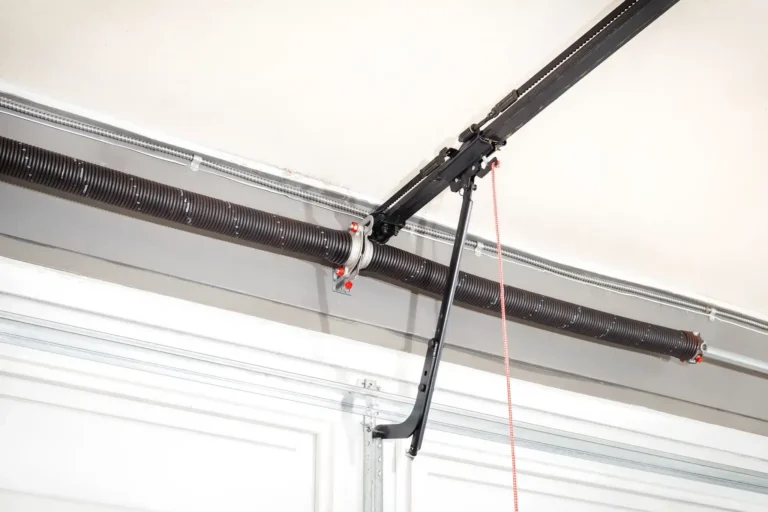
Analyzing mechanical forces across an overhead door requires evaluating potential energy stored inside high-tension spring coils. Torsion springs store energy by winding tightly around a central steel shaft, transferring rotational torque to outer cable drums.
Primary mechanical stress vectors:
-
Rotational Spring Torque: Kinetic force stored inside tightly wound spring wire coils, counter-balancing dead weight.
-
Lateral Track Load Distribution: Horizontal force exerted by track rollers against vertical rails during panel travel.
-
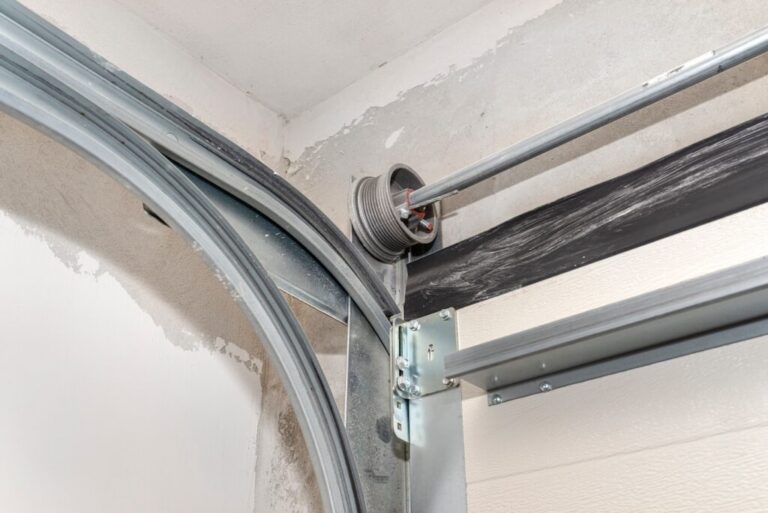
Dynamic Cable Tension: Continuous pull force applied through flexible steel cables wrapped around grooved aluminum drums.
-
Motor Drive Resistance: Linear force exerted by opener drive belts or chains to guide panel movement.
When a door operates in true mechanical equilibrium, manual lifting requires minimal physical effort throughout the entire travel stroke. If a door falls rapidly or resists manual lifting, counter-balance springs have lost necessary torque calibration.
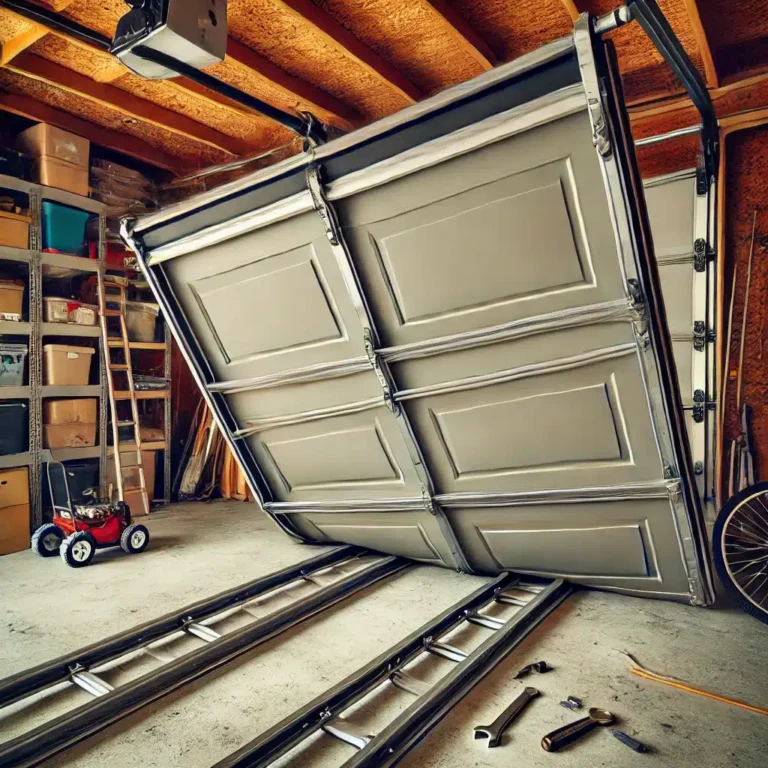
Neglecting spring tension calibration causes kinetic imbalances that ripple through secondary hardware components. Imbalanced panels tilt sideways during travel, causing nylon roller caps to binding inside steel track channels. This added friction overloads automated opener drive gears, causing internal nylon teeth to strip under excess stress.
Categorization of System Subcomponents and Maintenance Workflows
High-Tension Counter-Balance Assemblies
Counter-balance assemblies consist of oil-tempered torsion springs, stationary cones, winding cones, steel center bearing plates, and flexible lift cables. These high-tension components convert stored rotational energy into vertical lift force, bearing the full physical weight of the panel structure.
Because these parts remain under extreme mechanical tension, structural repairs require specialized winding bars and professional mechanical expertise. Standard maintenance is limited to monthly visual inspections for steel wire fatigue, gap formation between coils, and surface rust buildup.
Roller, Hinge, and Track Mechanics
Track systems guide dynamic panel sections smoothly from vertical closed positions to horizontal overhead positions. Steel hinges connect individual door sections, housing roller stems that glide along galvanized track channels during movement.
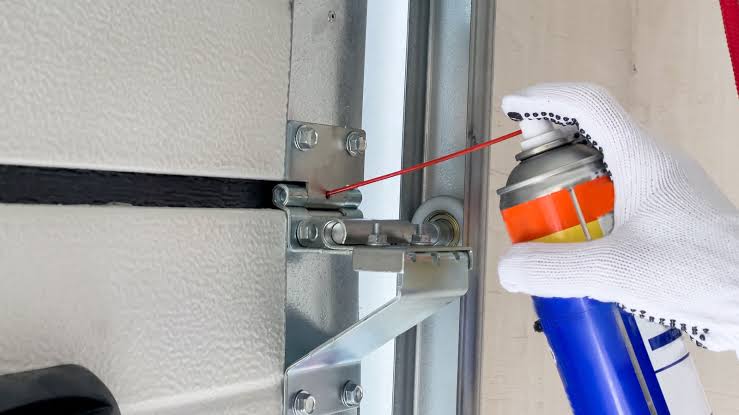
Maintaining these guidance components requires cleaning internal track grooves with degreasers before applying synthetic silicone lubricant to roller bearings. Replacing worn steel rollers with sealed nylon ball-bearing units reduces mechanical travel noise while extending track service life.
Automated Opener Drive Units
Automated opener systems utilize AC or DC electric motors to drive reinforced rubber belts, steel chains, or direct-drive screw shafts. Drive units house electronic logic boards, force adjustment potentiometers, internal gear assemblies, and manual disconnect release ropes.
Maintenance workflows focus on checking belt or chain sag tolerances, adjusting open and close limit switches, and testing emergency disconnect levers. Lubricating steel drive screws prevents metal grinding, while belt drive units operate dry without needing liquid grease.
Maintenance Strategy Comparison Matrix
| Maintenance Component Category | Primary Inspection Focus | Recommended Service Frequency | Professional vs DIY Boundary | Operational Failure Risk |
| Torsion Spring Assembly | Wire gaps, rust, winding cone slippage | Semi-Annually | Professional Only | Catastrophic Drop Hazard |
| Lift Cables and Drums | Fraying, strand corrosion, drum alignment | Semi-Annually | Professional Recommended | Instant Structural Tilt |
| Track and Roller Hardware | Rail pitch, roller cap play, hinge wear | Quarterly | DIY Suitable | Track Binding / Roller Popping |
| Opener Drive and Logic | Limit switches, gear wear, belt sag | Annually | DIY / Professional Hybrid | Motor Burnout / Gear Stripping |
| Perimeter Weather Seals | Rubber flexibility, tear lines, floor contact | Seasonally | DIY Suitable | Thermal Leakage / Water Ingress |
Contextual Decision Protocols for Specialized Facilities
Establishing effective protocols for how to manage garage doors maintenance requires adapting workflows to specific environmental demands and usage rates. High-traffic commercial bays demand far stricter inspection frequencies than single-family residential garages.
Customized protocol guidelines:
-
High-Cycle Coastal Installations: Demands bi-monthly stainless steel cable washdowns and marine-grade silicone lubricants to prevent salt fog corrosion.
-
Severe Sub-Zero Climate Zones: Focuses on winter astragal seal inspections and low-temperature synthetic greases that resist cold thickening.
-
High-Frequency Commercial Loading Bays: Requires monthly shaft bearing checks, daily optical sensor alignment tests, and annual spring replacement cycles.
-
Unheated Detached Storage Garages: Prioritizes track rust prevention, rodent-proof metal floor retainers, and manual lock lubrication.
Coastal High-Humidity Installations
Property owners near ocean coastlines must protect dynamic hardware from aggressive salt spray corrosion. Salt particles accumulate along galvanized steel tracks, accelerating zinc coating degradation and rusting internal steel roller bearings.
Implementing marine-grade maintenance protocols involves washing track channels with fresh water, drying metal surfaces completely, and applying high-viscosity silicone coatings. Upgrading standard galvanized hardware to powder-coated commercial tracks and stainless steel lift cables prevents premature failure in salt air environments.
Sub-Zero Northern Operations
Freezing winter environments alter physical material properties, stiffening rubber seals and hardening standard petroleum lubricants. Cold temperatures increase internal steel spring brittleness, elevating coil fracture risks during sub-zero morning operations.
Sub-zero protocols require applying low-temperature synthetic greases rated down to minus forty degrees Fahrenheit across all dynamic pivot points. Inspecting bottom astragal seals ensures water does not freeze rubber gaskets to concrete aprons, preventing torn seals when automated openers activate.
Applied Real-World Maintenance Scenarios and Failure Modes How to Manage Garage Doors Maintenance
Scenario A: Unlubricated Track Binding in High-Humidity Environments
A residential two-car garage located in a humid region develops loud squeaking during door operation. The homeowner applies heavy automotive wheel grease inside galvanized track channels, hoping to silence noisy steel rollers.
Grease contamination failure sequence:
-
Dust Accumulation: Heavy petroleum grease traps dust, pet hair, and airborne grit inside track channels.
-
Abrasive Slurry Formation: Trapped debris turns into an abrasive paste that grinds down steel roller caps during travel.
-
Roller Seizure: Abrasive paste clogs internal roller ball bearings, causing rollers to skid instead of rotating cleanly.
-
Track Friction Binding: Skidding rollers wear flat spots into steel caps, increasing motor resistance and tripping opener safety reverse switches.
Cleaning dirty track grooves with degreasers and installing sealed nylon ball-bearing rollers restores smooth operation. Applying light silicone lubricants directly to roller bearings eliminates squeaks without attracting grit, extending component life.
Scenario B: Imbalanced Spring Stress on Automated Drive Motors
A commercial warehouse door operates under heavy daily cycling without regular tension checks. Over three years, torsion springs gradually lose calibrated winding tension through normal steel stress relaxation.
Drive system degradation sequence:
-
Loss of Kinetic Lift: Weakened springs lose necessary rotational torque, leaving panel dead weight uncompensated.
-
Increased Opener Resistance: Automated drive motors lift sixty pounds of dead weight during every upward cycle.
-
Gear Teeth Stripping: Nylon drive gears inside motor housings overheat, stripping gear teeth under continuous mechanical overload.
-
Complete System Shutdown: Stripped gears disconnect motor drives, locking doors shut and blocking warehouse access.
Technicians must replace stripped drive gears and recalibrate torsion spring tension using winding bars. Performing monthly manual balance tests catches spring tension loss before mechanical resistance ruins internal opener drive components.
Financial Planning, Resource Allocation, and Expense Dynamics
Properly managing garage doors maintenance requires balancing affordable preventative tasks against expensive emergency repair visits. Routine DIY upkeep reduces long-term component wear, while neglecting minor misalignments leads to major structural failures.
| Maintenance Level / Service Type | Estimated Annual Expenditure | Typical Hardware Replaced | Expected Lifespan Benefit | Major Financial Advantage |
| Basic DIY Preventative Protocol | $25 – $50 | Lubricants, weather strips, cleaner | +3 to +5 Years | Low Initial Cash Outlay |
| Annual Professional Inspection | $120 – $250 | Rollers, hinges, limit switches | +5 to +8 Years | Prevents Emergency Callouts |
| Mid-Life System Overhaul | $400 – $750 | Torsion springs, cables, drums | +10 to +15 Years | Restores Factory Kinetic Metrics |
| Unmaintained Emergency Failure | $800 – $1,800+ | Panels, tracks, opener motor | Reduced (−5 Years) | None (High Breakdown Expense) |
Budgeting for preventative maintenance yields clear financial returns by avoiding emergency technician labor fees. Protecting mechanical hardware extends operational lifespans, delaying total door replacement expenses by over a decade.
Essential Toolkits, Diagnostic Devices, and System Supports How to Manage Garage Doors Maintenance
Executing maintenance routines effectively requires specialized tools designed for high-tension hardware and electrical safety checks. Using improper tools risks stripping mechanical fasteners or causing severe physical injuries during spring inspections.
Essential maintenance tools:
-
Steel Torsion Winding Bars: Solid cold-rolled steel rods manufactured specifically for adjusting spring winding cones safely.
-
Vise-Grip Locking Pliers: Heavy pliers used to clamp vertical tracks securely during roller replacement procedures.
-
Non-Tacky Synthetic Silicone Spray: Lubricant engineered to coat metal surfaces without attracting airborne grit.
-
Digital Infrared Thermometer: Diagnostic tool used to detect overheating friction points along bearing plates and motor housings.
-
Calibrated Bubble Level: Precision tool used to check horizontal track pitch and upper header alignment.
Utilizing dedicated winding bars prevents slipping when inspecting or adjusting torsion spring tension cones. Property owners should never substitute screwdrivers or iron rebar for proper winding tools when working around high-tension components.
Failure Taxonomy and Compounding Risk Analysis
Analyzing failure patterns across dynamic door assemblies reveals how minor hardware degradation triggers widespread mechanical damage. Unaddressed mechanical play in small hinges rapidly spreads stress across adjacent structural components.
Compounding failure hierarchy:
-
Stage 1 (Minor Wear): Hardened weather strips allow water ingress, while unlubricated hinges produce mild squeaking.
-
Stage 2 (Mechanical Binding): Loose hinge fasteners allow section misalignments, forcing rollers to drag against track channels.
-
Stage 3 (Subsystem Breakdown): Dragging rollers overload opener drive motors, stripping nylon gears and stretching lift cables.
-
Stage 4 (Catastrophic Collapse): Frayed lift cables snap under load, dropping heavy panel sections and damaging track frames.
Catching mechanical issues during Stage 1 prevents costly compounding failures across secondary hardware components. Systematic inspection routines break degradation cycles early, keeping dynamic systems safe and reliable.
Operational Governance, Preventative Protocols, and Seasonal Cycles
Establishing formal maintenance governance schedules ensures structural inspections occur at appropriate intervals throughout the year. Dividing tasks into seasonal workflows helps property owners prepare hardware for extreme winter cold and summer humidity shifts.
Spring and Summer Maintenance Workflow
Warm weather maintenance focuses on washing off winter salt road spray, cleaning track channels, and inspecting weather seals. Inspecting steel panel skins for surface rust allows property owners to prime and paint scratches before corrosion spreads beneath paint layers.
Technicians should test photo-eye safety sensors to ensure bright summer sunlight does not blind optical receivers. Adjusting sensor sun shields prevents false reversing cycles caused by direct infrared solar interference.
Autumn and Winter Readiness Checklist
Fall preparations emphasize weatherproofing garage openings before freezing temperatures arrive. Cleaning bottom rubber astragal seals and applying silicone spray keeps gaskets flexible, preventing seals from sticking to freezing driveway concrete.
Property owners should perform manual balance tests before winter cold thickens drive lubricants and increases motor strain. Testing manual release ropes ensures emergency disconnect mechanisms operate cleanly if winter power outages occur.
Quantitative Evaluation and Diagnostic Tracking Metrics
Measuring maintenance efficacy requires monitoring key operational metrics over time. Tracking physical travel performance helps catch gradual mechanical degradation before complete hardware failures occur.
Quantitative evaluation metrics:
-
Manual Lift Force Threshold: Checking if panel dead weight requires under twenty pounds of upward physical force to lift manually.
-
Motor Amperage Draw: Monitoring electrical current draw during travel to detect rising track friction or spring tension loss.
-
Panel Balance Equilibrium Point: Verifying panels remain stationary when supported three feet above floor level during manual tests.
-
Travel Noise Decibel Levels: Measuring operational sound outputs to identify dry bearings, loose hinges, or unaligned tracks.
Logging these physical metrics inside a dedicated facility journal provides early warnings of impending component wear. Sudden jumps in motor amperage draw signal tracking misalignments long before opener motors overheat or fail completely.
Universal Misconceptions and Operational Errors
The Universal Penetrating Oil Delusion
A common maintenance mistake is spraying multipurpose penetrating oils onto noisy rollers, hinges, and torsion springs. Penetrating fluids act as aggressive solvent degreasers rather than durable lubricants, washing away factory bearing grease and accelerating metal-on-metal grinding.
Property owners should use non-tacky synthetic silicone sprays or specialized garage door lubricants engineered for high-friction steel components. Proper lubricants leave thin protective films that suppress noise and resist rust without collecting airborne dust.
The Track Grease Fallacy
Another widespread error is smearing automotive chassis grease inside vertical or horizontal guide rail channels. Grease traps dirt, grit, and wood dust, creating a sticky paste that prevents rollers from spinning freely along tracks.
Guide rails should remain clean, dry, and free of heavy petroleum greases at all times. Wiping internal track channels with solvent-soaked rags removes built-up grime, allowing nylon or steel rollers to roll smoothly.
Environmental, Practical, and Safety Considerations
Managing dynamic overhead access systems involves addressing physical safety hazards alongside environmental sustainability goals. High-tension torsion springs store enough kinetic energy to cause severe physical injuries if handled without proper winding tools and safety protocols.
Property owners must delegate high-tension spring adjustments, cable replacements, and bottom bracket repairs to trained professional technicians. Basic DIY maintenance should remain strictly limited to external cleaning, friction point lubrication, track clearance checks, and safety sensor testing.
From an environmental standpoint, upgrading old single-skin doors with insulated sandwich panels significantly reduces home thermal loss. Selecting long-lasting nylon rollers and powder-coated steel hardware reduces landfill waste while keeping dynamic systems operating quietly for decades.
Strategic Synthesis and Long-Term Governance Principles
Learning how to manage garage doors maintenance effectively requires viewing the overhead door as an integrated dynamic system rather than a static piece of hardware. Routine inspections, proper synthetic lubrication, track alignment checks, and seasonal seal replacements protect mechanical components from compounding wear.
Final governance checklist:
-
Monthly Checks: Perform manual panel balance tests and verify photo-eye safety sensor auto-reversal functions.
-
Quarterly Tasks: Clean track channels dry and apply synthetic silicone spray to rollers, hinges, and end bearings.
-
Semi-Annual Services: Inspect lift cables for fraying, check perimeter weather seals, and tighten loose structural hinge bolts.
-
Annual Audits: Schedule professional inspections to evaluate torsion spring torque calibration, cable drum alignment, and opener force limits.
Adopting a disciplined, multi-perspective maintenance governance model turns a unpredictable mechanical hazard into a safe, energy-efficient building asset. Systematically protecting mechanical hardware guarantees operational reliability, preserves home thermal efficiency, and delivers long-term peace of mind across all seasonal conditions.