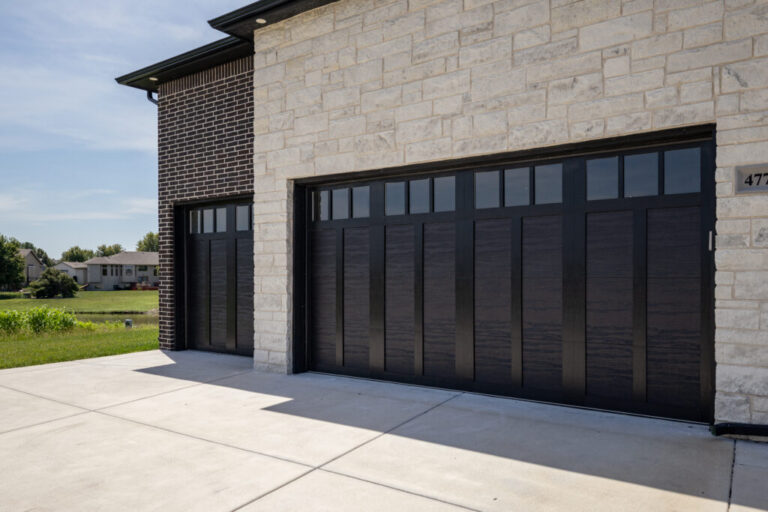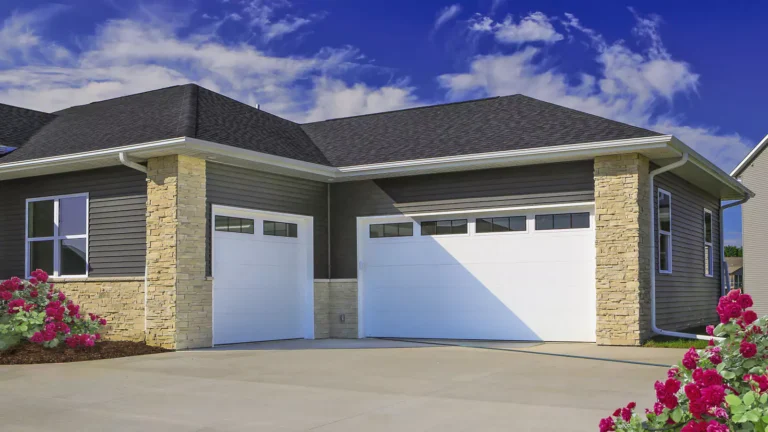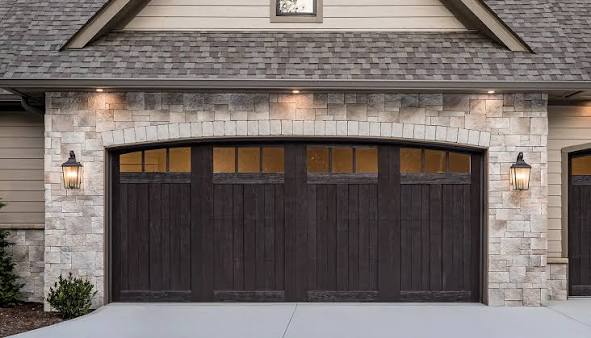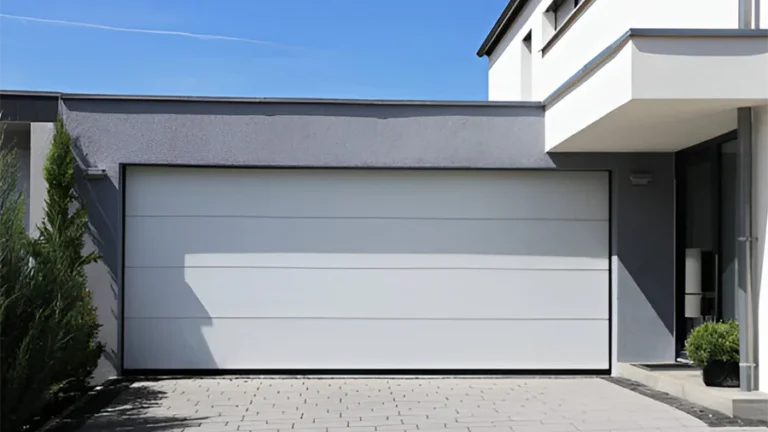
Compare Garage Doors Material Options: Architectural & Thermal Analysis
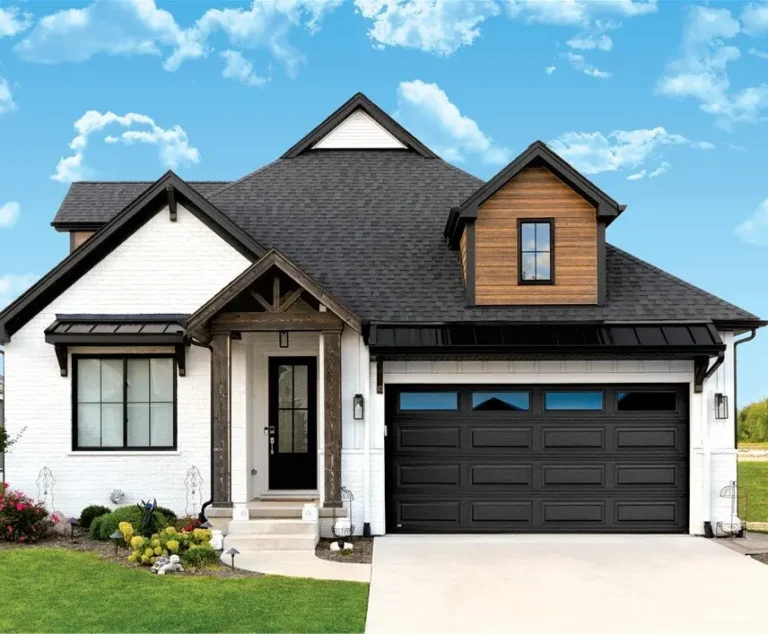
Designing residential garage openings requires evaluating structural strength alongside aesthetic appearance. Compare Garage Doors Material Options. Accounting for a major portion of home front elevations, garage doors significantly influence curb appeal and energy performance.
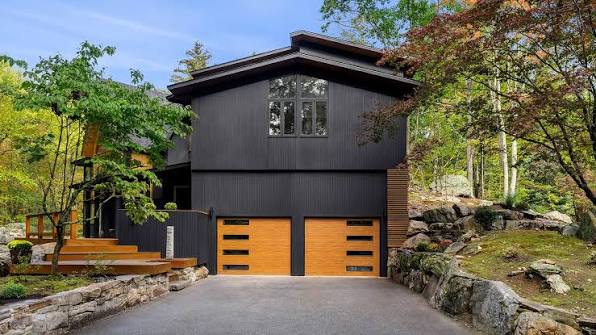
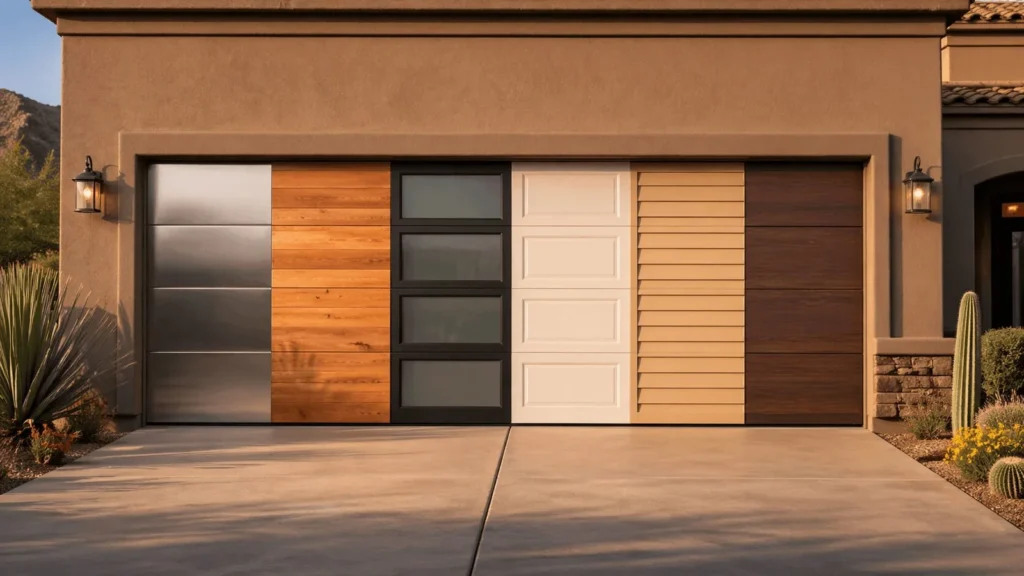
Choosing suitable materials requires balancing visual appeal against continuous physical strain. Heavy timber, insulated sandwich steel, composite boards, and aluminum frames alter section mass, placing unique dynamic forces on track assemblies.
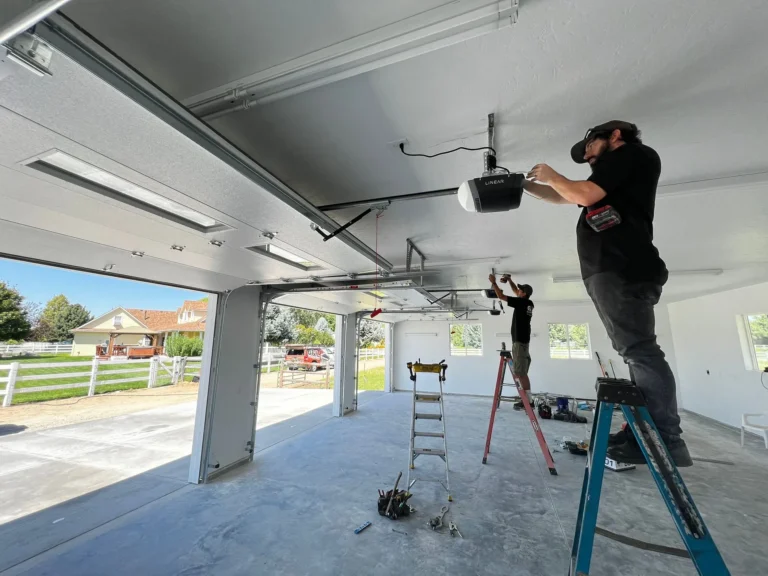
Proper installation requires aligning panel weight, spring tension, jamb anchors, and automated drive systems accurately. Thorough evaluation converts wide access portals into quiet, durable features that maintain high property value over long ownership cycles.
Understanding “Compare Garage Doors Material Options”
Evaluating how to compare garage doors material options requires looking beyond surface colors or basic texture patterns. Homeowners often evaluate visual appearance while ignoring long-term maintenance needs, solar heat gain, and panel structural weight.
Analyzing how to compare garage doors material options involves assessing five fundamental engineering parameters:
-
Structural Deadweight Load: Measuring total panel mass to select appropriate torsion spring sizes and track gauge thickness.
-
Thermal Isolation Performance: Evaluating core R-values achieved by injected polyurethane versus expanded polystyrene foam cores.
-
Environmental Moisture Resistance: Testing material surface durability against humidity rot, coastal salt spray, and solar radiation.
-
Impact Strength and Resistance: Measuring panel resistance against accidental vehicle bumps, hail, and high-wind debris impacts.
-
Refinishing Maintenance Demands: Calculating total hours and refinishing expenses needed over twenty-year operating lifespans.
Failing to calculate total panel weight before purchasing mounting hardware leads to fast spring fatigue and premature motor failure. Mounting heavy custom wood panels on light residential tracks causes panel binding and severe roller drag.
Analyzing how to compare garage doors material options requires understanding how panel mass affects overall dynamic operation. Heavy wood or composite panels place continuous stress on lift cables, roller stems, and torsion springs during daily operation.
Evolutionary History of Material Selection
Nineteenth-century carriage houses used solid wood doors mounted on heavy iron strap hinges. These heavy outward-swinging doors offered rustic charm, but required manual operation and suffered from wood rot and door sag over time.
The development of sectional overhead doors during the early twentieth century transformed residential garage design completely. Sectional panels allowed builders to construct wide doors that slid vertically along ceiling tracks, saving space while keeping vehicles sheltered.
Post-War Industrial Materials to Advanced Composites
Mid-century home construction popularized single-skin pressed steel doors to reduce building costs. While steel doors improved structural fire safety, uninsulated panels transferred outdoor heat and rusted quickly in coastal humid environments.
Modern manufacturing incorporates high-density polyurethane insulation, cellular PVC overlays, and extruded aluminum frames into garage door design. Advanced coatings, synthetic composites, and insulated safety glass provide long-lasting durability, strong energy efficiency, and low maintenance demands.
Physical Mechanics of Panel Mass and Kinematics
Managing heavy panel sections during vertical movement requires precise spring tension engineering and rigid track mounting. Heavy panel materials do not flex easily, meaning structural deflection causes track binding or roller failure.
Primary physical mechanics vectors:
-
Panel Deadweight Mass: Combined mass of exterior skins, interior insulation cores, and heavy decorative overlays.
-
Torsion Spring Rotational Force: Energy stored in heavy coil springs, transferring lift power across steel shafts.
-
Lateral Roller Friction: Thrust forces exerted by nylon or steel wheels against vertical track guide channels.
-
Thermal Bridge Transfer: Heat energy moving across metal frame channels during extreme winter or summer weather.
When a garage door is balanced correctly, a small manual force raises the entire section assembly smoothly. If spring torque is miscalculated, opener motors absorb excess deadweight, leading to stripped gears and track binding.
Neglecting thermal breaks permits heat to flow freely through metal frames during hot summer days. High frame temperatures increase interior cooling loads, wasting energy in climate-controlled garage spaces.
Mental Models for Material Selection
The Total Lifecycle Cost Model
This framework evaluates materials by combining initial purchase costs, annual maintenance expenses, and expected replacement lifespans. A cheap uninsulated steel door may cost more over twenty years than an insulated composite door due to higher energy bills and dent repairs.
The Environmental Exposure Balance Model
This selection model matches material physical properties against local weather conditions, coastal air salinity, and solar UV exposure levels. Choosing natural wood in humid coastal areas creates high maintenance work, while composite panels resist rot and moisture absorption effectively.
The Structural Mass-to-Hardware Ratio Framework
This model balances exterior panel mass against spring cycle ratings and track steel thickness. Heavy natural wood panels require commercial eleven-gauge steel tracks and high-cycle torsion springs to ensure smooth operation over long lifespans.
Core Material Categories and Engineering Trade-Offs
Injected Polyurethane Steel Sandwich Panels
Steel sandwich panels feature dense polyurethane foam injected between inner and outer galvanized steel skins. This bonded design creates rigid panels offering high thermal insulation (R-12 to R-20) and strong dent resistance.
Although steel sandwich doors carry moderate initial purchase costs, their structural strength prevents surface panel flexing. Excellent thermal isolation lowers household utility bills, delivering high value for attached garage layouts.
Natural Architectural Hardwoods
Handcrafted wood doors made from Western Red Cedar, Mahogany, or Ipe offer rich organic textures and classic appearance. Solid wood allows custom panel shaping, deep relief designs, and rich stain finishes that synthetic materials cannot match completely.
However, natural wood panels add significant weight, requiring commercial tracks, heavy springs, and periodic surface refinishing. Unsealed wood absorbs atmospheric moisture over time, leading to section warping, swelling, and hinge alignment issues.
High-Density Cellular Composite Overlays
Cellular PVC and synthetic composite overlays simulate natural wood grain while resisting rot, moisture absorption, and insect damage. Composite boards permit detailed architectural millwork shapes without the heavy maintenance burdens associated with natural timber.
Although composite overlays resist weather damage, their dense chemical structure adds significant overall panel weight. Installers must pair composite doors with commercial eleven-gauge steel tracks and high-torque openers to ensure reliable operation.
Thermally Broken Glass and Aluminum Frames
Extruded aluminum frames fitted with insulated glass panels deliver sleek visual lines for modern contemporary home designs. Powder-coated aluminum channels resist rust effectively, making glass doors ideal for coastal properties.
While aluminum frames resist coastal corrosion, uninsulated metal conducts heat rapidly across panel sections. Specifying internal polyurethane thermal breaks stops heat transfer, preserving energy efficiency in climate-controlled garages.
Fiberglass Clad Composite Doors
Fiberglass panels feature molded exterior surfaces bonded to insulated core frames, offering lightweight strength and rot resistance. Fiberglass resists salt air corrosion, making it a popular choice for coastal home installations.
However, prolonged exposure to harsh sunlight causes un-coated fiberglass surfaces to fade or yellow over time. Impact from hard objects can crack thin fiberglass skins, requiring complete panel section replacement.
Comprehensive Material Performance Matrix
| Material Classification | Initial Investment Index | Thermal Efficiency (R-Value) | Structural Rigidity | Maintenance Demands | Expected Lifespan |
| Injected Polyurethane Steel | Moderate – High | High (R-12 to R-20) | High (Resists Dents) | Low (Factory Coated) | 20 – 30 Years |
| Natural Architectural Wood | High – Extreme | Low – Medium (R-3 to R-6) | High (Heavy Mass) | High (Stain Every 2 Years) | 15 – 25 Years (Sealed) |
| Cellular Composite Overlay | High | Medium – High (R-8 to R-14) | Extreme (Rot Proof) | Low (Paint Touch-Ups) | 25 – 35 Years |
| Thermally Broken Aluminum | High | Low – Medium (R-3 to R-6) | Moderate (Extruded Frame) | Minimal (Occasional Wash) | 20 – 30 Years |
| Fiberglass Clad Composite | Moderate | Medium (R-6 to R-10) | Moderate (Thin Shell) | Low (UV Seal Coatings) | 15 – 20 Years |
Regional Environmental Selection Logic
Evaluating how to compare garage doors material options requires matching panel specifications to regional climate patterns, wind codes, and coastal air salinity levels. Installing unsealed wood in humid southern zones causes rot, while light steel doors buckle during coastal storms.
Tailored material recommendations:
-
Humid Coastal Zones: Specifying composite or aluminum overlays mounted on wind-rated steel panel cores.
-
Cold Northern Regions: Prioritizing polyurethane-injected steel sandwich panels with multi-lip perimeter jamb seals.
-
Arid Southwestern Deserts: Selecting UV-stable powder coatings and composite overlays over moisture-sensitive woods.
-
Historic Preservation Districts: Specifying authentic natural timber swing doors or detailed composite overlay panels.
High-Sun Desert Performance Allocations
Desert installations require blocking solar radiation to prevent dark panel finishes from fading or warping under intense afternoon heat. Dark wood or steel doors absorb solar rays rapidly, raising interior garage temperatures significantly.
Specifying light-colored composite panels or light powder-coated aluminum surfaces reflects solar energy effectively. UV-stable exterior coatings maintain surface finish quality, extending overall door lifespans in sunbelt regions.
Coastal Storm Protection Standards
Coastal homes require garage doors built to withstand severe windstorm pressures during tropical storm events. Light un-reinforced doors buckle inward under high wind loads, compromising entire building roofs.
Specifying wind-load certified steel sandwich doors fitted with internal steel struts meets regional safety codes. Heavy galvanized tracks keep door panels secured firmly during intense coastal storms.
Applied Real-World Architectural Scenarios Compare Garage Doors Material Options
Scenario 1: Coastal Home Retaining Historic Aesthetic Lines
An architect restores a oceanfront home requiring traditional carriage door styling. High salt air humidity causes standard steel doors to rust within three operating seasons.
Compounding material challenge:
-
Initial Conflict: Natural wood sags and rots from salt spray, while standard steel rusts quickly.
-
Custom Specification: Engineers select cellular composite overlays bonded to insulated aluminum frame cores.
-
Hardware Adaptation: Stainless steel tracks, sealed nylon rollers, and powder-coated hardware are installed.
-
Operational Result: The composite door delivers authentic carriage styling while resisting salt air corrosion completely.
Composite overlays on aluminum frames solve coastal rust challenges without sacrificing traditional architectural charm. Stainless steel hardware prevents component corrosion, ensuring quiet operation across long service lifespans.
Scenario 2: Noise Control for Garages Below Living Quarters
A homeowner installs a replacement garage door directly beneath upstairs bedrooms. The existing single-skin steel door rattles loudly during travel, transmitting noise through bedroom floors.
Compounding upgrade effort:
-
Initial Problem: Thin steel skins amplify motor vibration, while uninsulated panels allow outdoor noise to enter bedrooms.
-
Material Upgrade: Specifying an injected polyurethane steel sandwich door fitted with thick neoprene section seals.
-
Hardware Setup: Worn steel rollers are replaced with commercial heavy nylon-wheeled ball-bearing rollers.
-
Acoustic Outcome: Panel vibration drops significantly, creating quiet living conditions inside upstairs bedrooms.
Polyurethane sandwich panels dampen mechanical vibration, creating quiet operation in homes with living spaces above garages. Heavy nylon rollers glide smoothly along steel tracks, eliminating travel noise.
Financial Planning and Lifetime Lifecycle Costs Compare Garage Doors Material Options
Budgeting for garage door upgrades requires accounting for initial material costs, specialized tracks, high-cycle springs, and installation labor. Allocating contingency funds covers potential jamb framing repairs or header reinforcement work.
| Material Component Category | Standard Purchase Range | Custom Architectural Range | Cost Management Strategy | Risk of Cheap Material |
| Panel Core & Skin Assembly | $1,200 – $3,500 | $5,000 – $15,000+ | Choose composite overlays over solid exotic hardwoods | Panel Warping / Rot |
| Track & Mounting Brackets | $200 – $400 | $600 – $1,400 | Specify eleven-gauge galvanized steel tracks | Track Binding / Drag |
| Torsion Spring Counterweights | $150 – $350 | $500 – $1,200 | Order 25,000-cycle high-use spring wire coils | Early Cable Snap |
| Automated Opener Drives | $350 – $700 | $1,000 – $2,500 | Select quiet belt-drive or side-mount openers | Gear Stripping / Noise |
| Perimeter Weather Astragals | $50 – $120 | $200 – $500 | Install heavy EPDM bottom seals and dual jamb gaskets | Draft Infiltration / Leaks |
Investing in heavy tracks and high-cycle torsion springs extends overall operational service lifespans. Quality openers move heavy panel stacks smoothly, protecting exterior panel finishes from mechanical shock.
Field Diagnostic Tools and Assessment Hardware
Evaluating material performance requires accurate measuring tools, infrared alignment devices, and structural testing hardware. Precision field tools help technicians detect material wear, thermal leaks, and mechanical track drag early.
Essential field toolkit:
-
Laser Track Alignment Levels: Precision tools used to verify vertical track plumb and horizontal parallelism across spans.
-
Digital Force Gauges: Testing devices used to measure manual lift resistance and operational door balance accurately.
-
Infrared Thermal Cameras: Diagnostic tools used to check panel thermal leaks, insulation voids, and seal tightness.
-
Acoustic Decibel Meters: Testing tools used to detect roller drag, track friction, and motor vibration noise.
-
Digital Moisture Meters: Testing tools used to measure wood panel moisture content before applying exterior seal coatings.
Using laser levels ensures vertical tracks are aligned perfectly, preventing roller drag and reducing operating noise. Checking wood moisture levels prevents seal coatings from trapping dampness inside natural timber panels.
Structural Failure Taxonomy and Material Degradation
Analyzing material failure modes highlights how poor material choices cause structural breakdowns over time. Identifying environmental risks early protects investments and keeps garage doors working reliably.
Failure degradation sequence:
-
Stage 1 (Surface Seal Failure): UV exposure breaks down exterior clear coats on natural wood panels ($150 refinishing).
-
Stage 2 (Moisture Absorption): Rainwater penetrates unsealed wood fibers, causing panel section swelling ($450 repair).
-
Stage 3 (Hinge Fastener Pull-Out): Swollen wood panels add extra weight, pulling hinge screws out of framing ($900 repair).
-
Stage 4 (Structural Section Collapse): Rot weakens panel cores, causing sections to break under spring tension ($4,500+ replacement).
Applying protective clear coats early stops moisture absorption before water damages interior wood fibers. Routine maintenance checks protect door hardware, ensuring reliable operation across all seasons.
Governance, Refinishing, and Maintenance Schedules
Establishing structured maintenance schedules ensures garage doors remain energy-efficient and operational over long lifespans. Dividing maintenance tasks into seasonal routines keeps hardware working smoothly.
Semi-Annual Surface Cleaning and Inspection
Washing exterior composite, steel, or aluminum panels removes dirt, salt residue, and road grime that dull factory finishes. Homeowners should inspect rubber bottom astragals and side weather seals for cracks or stiffness.
Applying silicone lubricants to rubber weather seals maintains flexibility, preserving tight perimeter weather barriers. Soft, pliable gaskets block cold winter drafts from entering garage spaces.
Annual Wood Refinishing and Balance Audits
Applying clear coats or marine spar varnishes to wood panels shields timber from moisture damage and harmful UV rays. Annual inspections allow homeowners to touch up worn finishes before moisture penetrates wood fibers.
Testing spring counter-balance calibration ensures opener motors are not lifting excess panel deadweight manually. Disconnecting automated openers allows technicians to check manual panel travel across the entire stroke smoothly.
A well-balanced door stays stationary when released three feet above floor level during manual testing. Adjusting spring tension until neutral balance is achieved protects drive gears from premature wear.
Performance Measurement and Auditing Signals
Evaluating how to compare garage doors material options involves tracking thermal insulation performance, mechanical balance, and operational noise over time. Regular diagnostic checks confirm installation quality and highlight needed maintenance adjustments.
Key performance indicators:
-
Manual Lift Resistance Force: Physical effort required to raise balanced doors manually (should stay under twenty pounds).
-
Track Parallelism Differential: Variance in distance between parallel tracks from floor aprons to upper curves.
-
Operational Decibel Output: Noise levels produced by nylon rollers during travel (should stay under fifty decibels).
-
Thermal Envelope Differential: Temperature variance measured across panel cores, section joints, and jamb seals.
Tracking operational noise helps technicians identify worn roller bearings or binding tracks before major failures occur. Quiet panel travel confirms accurate track alignment and proper spring tension calibration.
Common Material Misconceptions and Fallacies Compare Garage Doors Material Options
The Maintenance-Free Composite Myth
A common misconception is assuming composite overlay garage doors require zero maintenance over their operational lifespans. While composites resist rot and insect damage, dark painted surfaces can fade or chalk after years of intense sun exposure.
Applying clear UV-protective topcoats every few years preserves color depth and maintains original surface gloss. Simple periodic washing keeps composite surfaces clean and free of airborne grime.
The Solid Steel Strength Fallacy
Another myth is assuming single-skin steel garage doors offer superior strength compared to composite or wood doors. Single-skin steel panels bend easily under impact, lack thermal insulation, and transmit outside noise into garage spaces.
Injected polyurethane steel sandwich panels deliver high structural stiffness, dent resistance, and energy efficiency. Structural foam cores support steel skins, preventing panel flexing under heavy wind loads.
Environmental Sustainability and Recyclability Factors
Sustainable building practices involve choosing recyclable materials and sourcing durable building products. Steel skins, aluminum frames, and iron spring assemblies are fully recyclable at regional scrap processing facilities.
Selling scrap metal generates cash returns that help offset new hardware purchase expenses. Reusing sound wood framing lumber for structural blocking reduces job site construction waste.
Installing polyurethane-insulated sandwich doors lowers home heating and cooling energy consumption. Durable components resist environmental wear, keeping replacement hardware out of municipal landfills for decades.
Architectural Synthesis and Strategic Decision Frameworks
Evaluating how to compare garage doors material options requires treating wide access openings as complete structural systems. Combining durable material selection, heavy eleven-gauge tracks, and high-cycle spring hardware ensures safe, quiet, and reliable daily operation.
Decision execution checklist:
-
Architectural Assessment: Verify opening dimensions, header framing strength, and local climate exposure levels early.
-
Material Selection: Select durable composite, steel, or aluminum materials matched to home maintenance budgets.
-
Hardware Engineering: Specify heavy eleven-gauge tracks, commercial torsion springs, and quiet direct-drive openers.
-
Commissioning Audits: Perform manual balance tests, thermal leak audits, and seal checks before final sign-off.
Following a disciplined engineering approach turns wide garage openings into quiet, energy-efficient architectural assets. High-quality materials and precise hardware installation guarantee long-term operational performance while enhancing total property value.