How to Avoid Garage Doors Opener Failures: System Reliability Manual
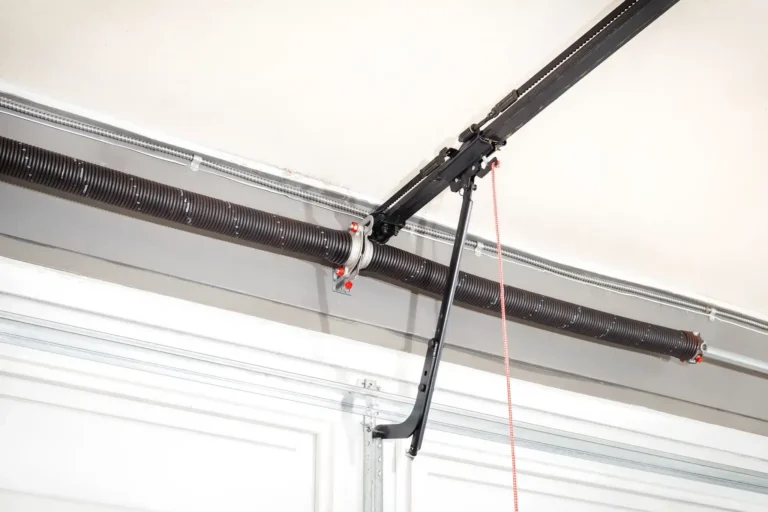
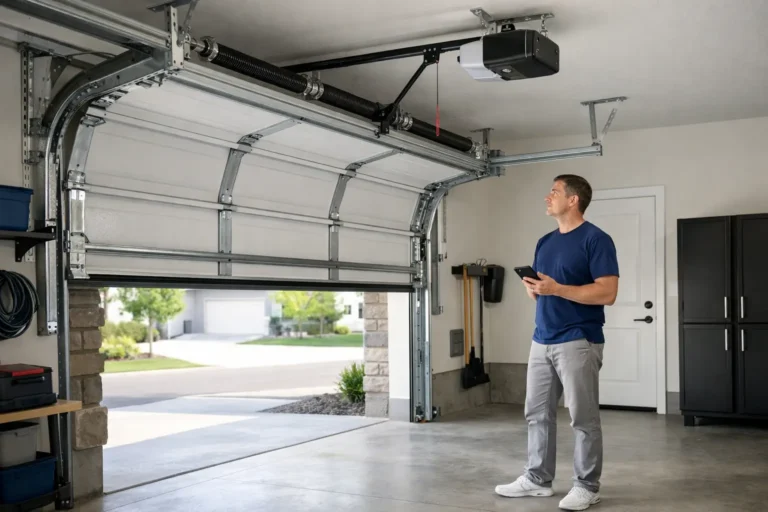
Automated access openers function as the electro-mechanical heart of modern overhead door installations. How to Avoid Garage Doors Opener Failures. Rather than serving as the primary lifting engine, the motor acts as a directional regulator. The physical work of counteracting gravitational deadweight is performed by high-tension torsion or extension springs.
When dynamic counterbalance components lose calibration, extra stress is transferred directly onto the drive unit. Electronic logic boards endure thermal cycles, internal gear teeth strip under excessive resistance, and motor capacitors degrade over time. These combined stresses often trigger total system shutdowns during peak operating hours.
Eliminating unexpected motor breakdowns requires treating the motor drive and panel assembly as a single integrated mechanism. Systematic inspection routines identify mechanical friction, optical misalignments, and electrical surge vulnerabilities before severe hardware damage occurs.
Protecting these drive units relies on understanding how force imbalances propagate across internal gears, drive belts, and control circuits. Preventing motor breakdowns protects long-term property access and prevents expensive emergency repair costs.
Understanding “How to Avoid Garage Doors Opener Failures”
Learning how to avoid garage doors opener failures requires looking beyond basic electrical troubleshooting and remote control battery replacements. A common technical mistake involves treating opener motor failure as an isolated electrical fault rather than a symptom of physical door friction.
Understanding how to avoid garage doors opener failures involves managing five core electro-mechanical variables:
-
Counterbalance Equilibrium: Ensuring springs bear structural deadweight so motor gears operate under normal load limits.
-
Travel Limit Calibration: Setting electronic boundary stops to prevent physical door impact against floor aprons and header frames.
-
Voltage Surge Protection: Safeguarding sensitive logic circuit boards from household power spikes and thermal overload.
-
Drive Mechanism Tensioning: Maintaining correct belt or chain sag tolerances to stop gear tooth stripping and sprocket wear.
-
Optical Safety Alignment: Aligning infrared photo-eye sensors to eliminate false emergency reverse cycles.
Failing to analyze these systemic stress factors creates serious operational vulnerabilities. Applying heavy grease to drive belts causes belt slippage, while neglecting loose drive chains causes violent mechanical jerking during motor activation.
Learning how to avoid garage doors opener failures demands understanding how small physical alignment errors affect motor control electronics. When tracks bind, electric motors draw excessive current, causing internal thermal overload switches to trip and shut down access systems.
Historical Engineering Evolution of Motorized Drivers
Early residential garage door openers developed during the late 1920s used massive industrial AC motors and heavy iron chain drives. These early mechanical systems lacked safety sensors, operated with loud mechanical vibration, and required frequent manual lubrication to prevent motor lockups.
Post-war suburban development during the 1950s turned motorized access from a luxury feature into a standard residential appliance. Early residential units relied on simple analog radio receivers, simple relay switches, and basic electromechanical travel limit nuts.
Modern Electronic Control Systems
The introduction of microprocessor control boards and micro-frequency security codes during the 1990s fundamentally changed opener design. Integrated logic boards replaced mechanical relays, allowing smooth motor acceleration, digital force monitoring, and automated safety obstruction sensing.
Contemporary units feature energy-efficient DC motors, battery backup systems, and integrated smart home connectivity. Modern drive units operate smoothly and quietly, but their electronic components require clean power and precise mechanical balancing to prevent premature system failure.
Systems Physics and Force Distribution Dynamics
Analyzing dynamic forces across an automated drive system requires evaluating energy transfers between electrical motors, drive belts, and high-tension balance springs. The motor applies horizontal force to a traveling trolley, guiding structural panels along vertical and horizontal curved tracks.
Primary operational force vectors:
-
Trolley Pull Resistance: Horizontal force exerted by drive chains or belts to guide panels along ceiling tracks.
-
Rotational Arm Torque: Angular force applied through the curved door arm to push structural panels down firmly.
-
Motor Amperage Load: Electrical current drawn by motor windings when pushing against track friction and gravity.
-
Down-Force Impact Energy: Vertical force exerted against floor aprons before close limit switches disconnect motor power.
When an overhead assembly operates in true mechanical balance, the drive trolley glides smoothly along the ceiling rail. If counterweight springs lose tension, uncompensated panel weight resists upward travel, overloading internal motor drive gears.
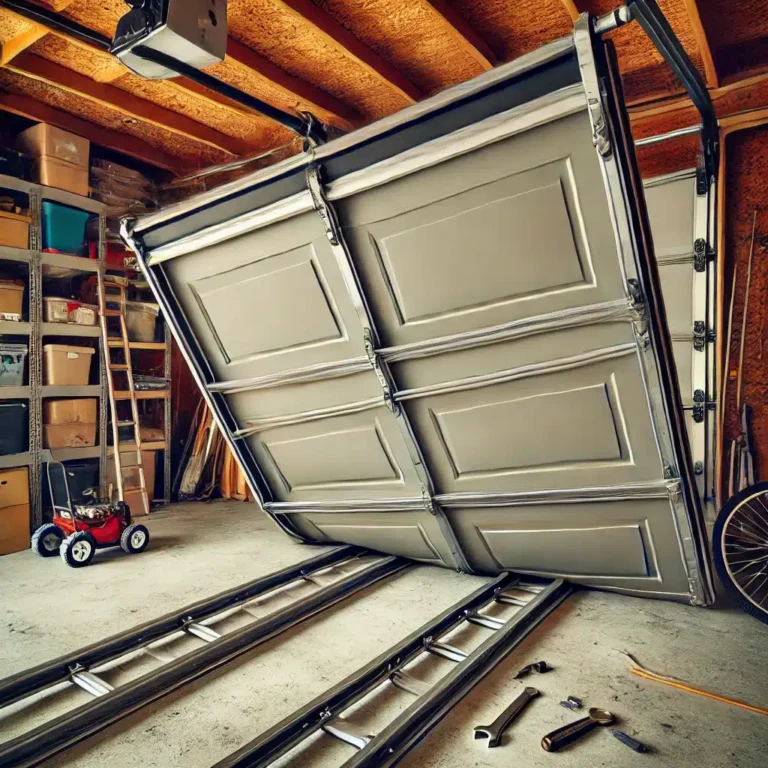
Neglecting minor balance changes triggers accelerated wear across internal gear housing components. Imbalanced panels tilt during travel, forcing trolley shoes to drag along drive rails. This extra friction causes motor control boards to detect false obstructions, reversing doors during normal closing cycles.
Opener Architecture Classifications and Drive Mechanics How to Avoid Garage Doors Opener Failures
Chain-Drive Systems
Chain-drive openers utilize continuous looped steel chains wrapped around drive sprockets to pull trolley assemblies along ceiling rails. These traditional units provide reliable lifting power at economical price points, making them common choices for residential installations.
However, metal-on-metal contact creates noticeable operational noise and physical vibration during panel travel. Maintenance protocols require adjusting chain sag annually and applying light coats of lithium grease to drive sprockets to prevent metal wear.
Belt-Drive Assemblies
Belt-drive openers substitute steel-reinforced rubber or polyurethane belts for traditional iron chains. These drive units deliver smooth, ultra-quiet panel movement, making them ideal for garages located directly beneath living quarters.
While belt systems eliminate metal grinding noises, rubber belts can crack or delaminate when exposed to extreme thermal swings. Maintaining belt drive units involves checking tension tolerances, inspecting belt teeth for shear stress, and keeping drive tracks free of oil grease.
Screw-Drive Units
Screw-drive systems utilize steel threaded rods to move trolley assemblies directly without separate chains or belts. Featuring fewer moving internal parts, screw drives provide consistent performance across various operating conditions.
However, temperature swings alter gear grease viscosity, increasing drive resistance during cold winter months. Maintenance requires applying specialized low-temperature synthetic lubricant along main drive screws to prevent threads from wearing down.
Direct-Drive Shaft Systems
Wall-mounted jackshaft openers attach directly to main torsion spring shafts beside upper garage door headers. By driving the torsion shaft directly, these compact units eliminate ceiling-mounted rails, freeing overhead storage space.
Jackshaft systems rely heavily on exact torsion shaft alignment and continuous cable tension to operate reliably. If cables jump off aluminum drums, internal safety monitoring switches isolate power, locking drive units until manual adjustments occur.
Comparative Drive Systems Performance Evaluation
| Drive System Classification | Operational Noise Output | Maintenance Overhead | Environmental Resilience | Structural Failure Point |
| Chain Drive | High (Vibration) | Moderate (Chain Tensioning) | High (Heat/Cold Resistance) | Drive Sprocket Tooth Wear |
| Belt Drive | Low (Quiet Operation) | Low (Dry Rail Maintenance) | Moderate (Rubber Breakdown) | Belt Tooth Shearing |
| Screw Drive | Moderate (Constant Pitch) | High (Frequent Lubrication) | Low (Cold Temperature Drag) | Drive Screw Thread Stripping |
| Direct Jackshaft | Ultra-Low (Smooth Shaft) | Low (Tension Monitoring) | High (Sealed Gearbox) | Cable Tension Switch Trips |
Specialized Operational Protocols for Harsh Environments
Developing effective protocols for how to avoid garage doors opener failures requires tailoring maintenance routines to local environmental stress factors. Extreme temperature changes, coastal salt fog, and high humidity accelerate mechanical wear and electrical corrosion.
Tailored maintenance protocols:
-
Severe Cold Climates: Utilizes synthetic lubricants rated for sub-zero temperatures to prevent motor gear drag.
-
Coastal Ocean Zones: Features moisture-resistant circuit coatings and stainless steel mounting hardware to stop salt corrosion.
-
High-Dust Rural Areas: Keeps drive rails dry without heavy grease to prevent dirt build-up inside trolley assemblies.
-
High-Heat Desert Regions: Uses thermal heat sinks and shaded optical sensors to prevent logic board overheating.
High-Humidity Coastal Protocols
Property owners near ocean shorelines must protect opener electronics and drive hardware from salt air corrosion. Salt deposits accumulate on exposed logic boards, creating electrical shorts that trip opener control systems.
Protecting coastal units requires installing sealed motor housings and applying electrical contact cleaners to terminal points. Wiping down metal drive rails with protective silicone spray stops rust from forming along steel guide channels.
Extreme Sub-Zero Winter Standards
Freezing winter environments thicken standard petroleum greases, increasing internal mechanical drag within motor gearboxes. Increased rotational friction causes motor control boards to detect false resistance, reversing doors during travel cycles.
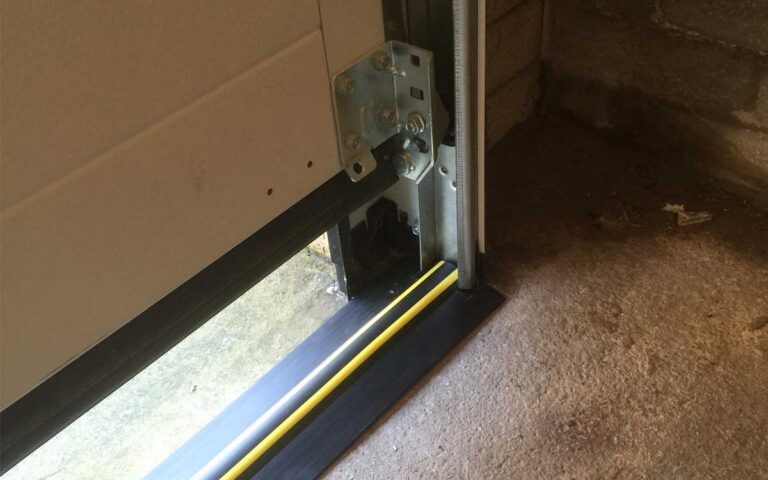
Sub-zero protocols require applying low-temperature synthetic greases rated down to minus forty degrees Fahrenheit across drive screws and trolley pivots. Inspecting bottom astragal seals ensures ice does not freeze rubber gaskets to concrete floors, preventing torn seals when openers activate.
Applied Diagnostic Scenarios and Cascading System Faults How to Avoid Garage Doors Opener Failures
Scenario A: Dry Track Drag and Stripped Internal Gears
A residential chain-drive opener develops loud grinding sounds during upward travel cycles. The homeowner ignores the noise, continuing to use the door daily without inspecting track alignment or lubricating hinges.
Compounding failure sequence:
-
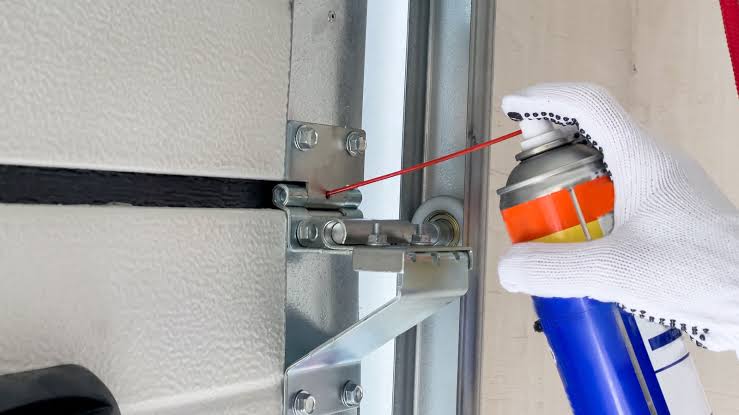
Friction Accumulation: Dry section hinges and unlubricated track rollers resist upward movement.
-
Motor Strain: The opener motor draws high electrical current to pull the binding panel up vertical tracks.
-
Gear Overheating: Heavy mechanical strain heats internal nylon drive gears inside the motor housing.
-
Tooth Shearing: Nylon drive gear teeth strip completely, causing the motor to spin freely while the door remains stuck.
Replacing stripped nylon gears and installing sealed nylon ball-bearing rollers restores smooth operation. Cleaning track grooves and lubricating hinge points reduces mechanical drag, keeping motor workloads within normal operating parameters.
Scenario B: Optical Sensor Misalignment and Circuit Lockout
An automated garage door reverses unexpectedly when closing during late afternoon hours. The homeowner forces the door closed by holding down the wall button, overriding system safety functions repeatedly.
Compounding failure sequence:
-
Optical Shift: Thermal expansion loosens safety sensor mounting brackets, throwing infrared lenses out of alignment.
-
Solar Blindness: Low afternoon sunlight blinds optical receiver lenses, triggering false safety reversal signals.
-
Board Overload: Continuous manual button overrides send repeated power surges through logic control boards.
-
Logic Board Failure: Microprocessor logic boards lock up completely, forcing total electronic control board replacement.
Realigning photo-eye brackets and mounting sun shields stops light interference without overriding safety controls. Systematically checking optical sensor alignment prevents false reversals, protecting control boards from unnecessary electrical strain.
Budget Planning, Maintenance Reserves, and Value Metrics
Preventing garage door opener breakdowns requires balancing small maintenance expenses against expensive emergency repair service visits. Regular DIY maintenance protects drive units, avoiding full opener system replacements.
| Service Level Classification | Direct Annual Expenditure | Major Components Serviced | Operating Life Expectancy | Financial Risk Protection |
| Reactive Component Repairs | $300 – $800 (Unplanned) | Gear kits, logic boards, sensors | Reduced (5 – 7 Years) | High Emergency Fee Risk |
| Basic DIY Upkeep Program | $20 – $40 | Lubricants, cleaners, batteries | Extended (10 – 12 Years) | Low Upfront Financial Cost |
| Annual Professional Audit | $100 – $180 | Limit settings, force calibration | Extended (12 – 15 Years) | Eliminates Sudden Surprises |
| Complete Drive Renewal | $350 – $600 | Motor unit, rails, safety sensors | Maximum (15 – 20 Years) | Prevents Incremental Repairs |
Budgeting for preventative care delivers clear financial value by avoiding emergency callout fees. Protecting drive motors and control boards extends operational service life, delaying complete opener replacements by several years.
Essential Diagnostic Toolkits and Protective Systems
Executing opener maintenance safely requires basic diagnostic tools and electrical testing equipment. Using correct tools prevents accidental fastener damage and ensures accurate travel limit and force settings.
Essential diagnostic toolkit:
-
Non-Tacky Synthetic Silicone Spray: Lubricant used to coat metal trolley rails without attracting dust and grit.
-
Digital Multimeter: Electrical diagnostic tool used to measure incoming circuit voltage and test safety sensor wiring continuity.
-
Non-Contact Infrared Thermometer: Diagnostic device used to spot overheating motor housings and bearing plates.
-
Insulated Screwdriver Set: Tools used to adjust electronic open and close limit switches safely.
-
Surge Protection Outlet Receptacle: Point-of-use surge protector used to shield logic boards from electrical spikes.
Using surge protection receptacles protects control boards from lightning strikes and grid voltage spikes. Property owners should avoid using general-purpose penetrating oils, as these solvents dissolve internal factory gear lubricants.
Comprehensive Failure Taxonomy and Structural Hazards
Analyzing opener failure modes reveals how simple component defects trigger widespread electro-mechanical breakdowns. Understanding these failure paths helps property owners fix minor issues before complete drive failures occur.
Compounding failure hierarchy:
-
Level 1 (Minor Wear): Misaligned photo-eyes cause false reversals, while loose drive chains produce noise ($15 DIY fix).
-
Level 2 (Mechanical Stress): Dry track rollers increase drive resistance, overheating internal motor windings ($60 DIY fix).
-
Level 3 (Subsystem Fault): Overheated motor gears strip internal nylon teeth, stopping trolley movement ($200 repair bill).
-
Level 4 (Total System Collapse): Control boards burn out from power surges, requiring total opener replacement ($500 repair bill).
Catching minor issues at Level 1 prevents systemic damage that leads to Level 4 hardware failures. Routine inspection programs break degradation cycles early, extending drive unit service life.
Operational Maintenance Governance and Inspection Cycles
Establishing clear inspection schedules ensures mechanical and electrical checks occur regularly throughout the year. Organizing maintenance into seasonal routines helps prepare opener systems for hot summer conditions and cold winter thaws.
Spring and Summer Maintenance Workflow
Warm-weather maintenance emphasizes cleaning dusty ceiling rails, checking belt tension, and inspecting optical safety sensors. Clearing dust off motor housing vents prevents thermal buildup during hot afternoon operations.
Property owners should verify that bright summer sunlight does not blind optical receiver lenses. Installing small sensor shades stops false reversal cycles caused by direct solar light interference.
Autumn and Winter Readiness Checklist
Fall preparations focus on checking electrical connections and testing emergency disconnect mechanisms before winter cold sets in. Applying low-temperature synthetic lubricants across drive screws prevents gear drag during cold morning operations.
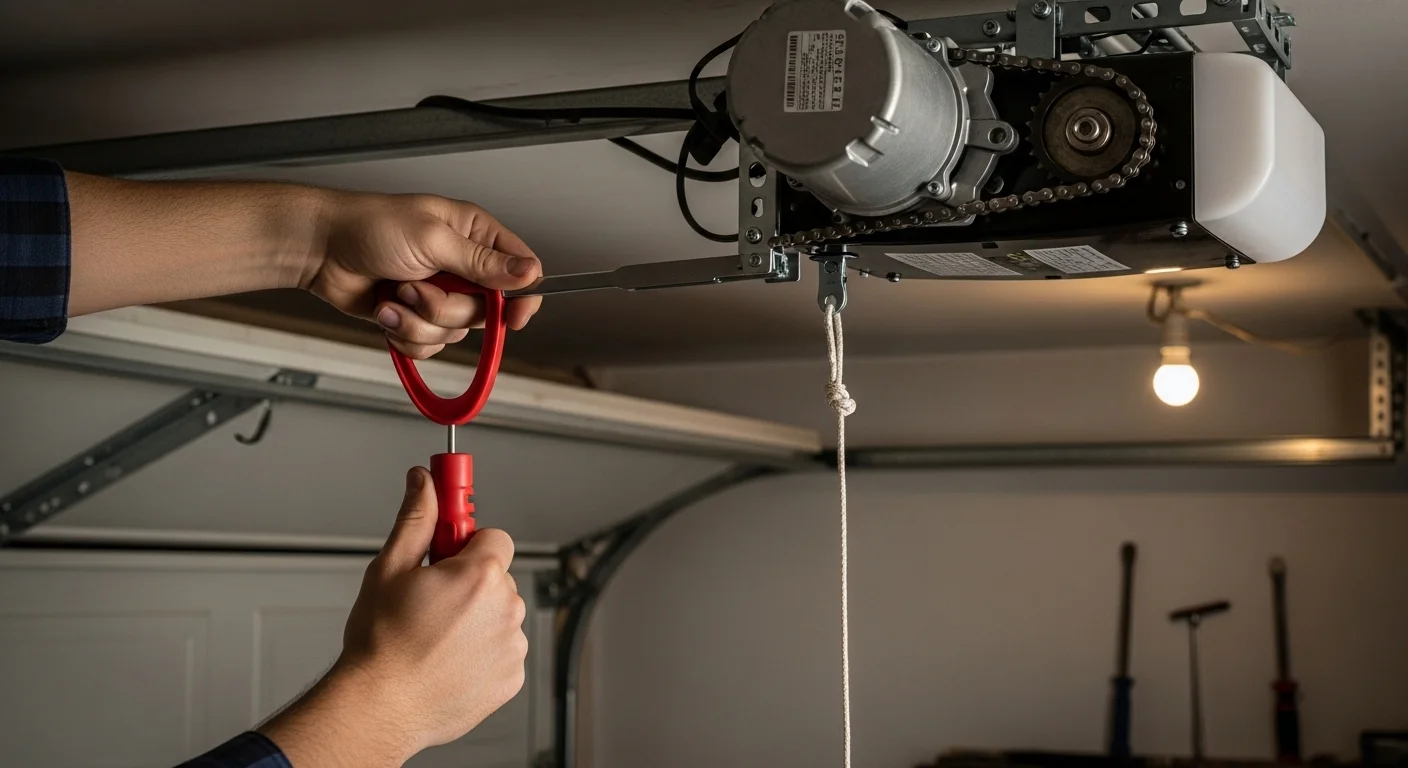
Property owners should perform manual balance tests before winter cold thickens lubricants and increases motor drive strain. Inspecting emergency release cords ensures manual access remains available during winter storm power outages.
Diagnostic Tracking Metrics and Performance Evaluation
Evaluating maintenance effectiveness requires tracking operational metrics across service lifespans. Monitoring key performance signals helps spot mechanical wear before complete drive failures occur.
Diagnostic tracking indicators:
-
Motor Amperage Draw: Monitoring electrical current during travel cycles to spot rising track friction.
-
Travel Time Consistency: Measuring door travel speeds to detect motor strain or gear slippage.
-
Motor Housing Thermal Metrics: Checking operating temperatures to detect internal winding degradation.
-
Safety Reversal Sensitivity: Testing down-force obstruction sensitivity using wood blocks placed on floor aprons.
Logging these physical metrics inside a facility journal provides early warnings of drive motor wear. Gradual increases in motor travel times indicate mechanical track friction long before control boards fail.
Systemic Misconceptions and Technical Errors
The Unlimited Motor Pull Fallacy
A common technical error involves increasing motor force adjustment screws when doors bind along tracks. Crank force adjustments up forces openers to push past physical track obstructions, stripping internal nylon drive gears.
Property owners should clear track obstructions and fix balance issues rather than forcing higher motor pull limits. Force adjustment controls exist to protect users, not to force sticking doors past bent tracks.
The Belt Lubrication Error
Another widespread mistake involves applying heavy petroleum grease to belt-drive overhead rails. Petroleum products dissolve synthetic rubber belt materials, causing drive teeth to shear off under load.
Polyurethane and rubber drive belts should operate dry without liquid petroleum coatings. Wiping drive rails with clean microfiber cloths removes dust without damaging flexible rubber belt materials.
Sustainability, Operational Safety, and Life-Cycle Strategy How to Avoid Garage Doors Opener Failures
Preventing garage door opener failures supports environmental sustainability goals by reducing electronic waste in local landfills. Extending the service life of control boards, electric motors, and steel drive rails keeps complex manufactured assemblies operating productively for years.
Upgrading old AC openers to modern DC units lowers household standby power consumption. Modern DC motors operate efficiently, integrate battery backup systems, and provide soft start and stop controls that reduce overall structural stress.
Recycling old copper motor windings, steel drive rails, and aluminum housings keeps valuable raw materials in productive manufacturing cycles. Maintaining existing drive units minimizes electrical waste while delivering safe, reliable access performance.
Strategic Synthesis and Operational Reliability Principles
Mastering how to avoid garage doors opener failures requires treating automated openers as integrated components of dynamic overhead door systems. Systematic inspections, proper travel limit settings, clean electrical power, and balanced spring support keep opener systems operating safely.
Operational reliability checklist:
-
Monthly Checks: Perform safety sensor auto-reversal tests and verify manual disconnect release functions.
-
Quarterly Hardware Care: Clean drive rails dry and inspect chain belt tension tolerances.
-
Semi-Annual Inspections: Test motor amperage draw, inspect drive sprockets, and check circuit terminal points.
-
Annual System Audits: Schedule complete mechanical balance tests, check travel limits, and clean logic board housings.
Adopting a disciplined maintenance strategy turns complex opener systems into safe, long-lasting property assets. Protecting electric motors and control electronics guarantees reliable access, preserves electrical hardware, and delivers long-term operating peace of mind.