Best Rustic Garage Doors Usa: Traditional Styles and Craftsmanship
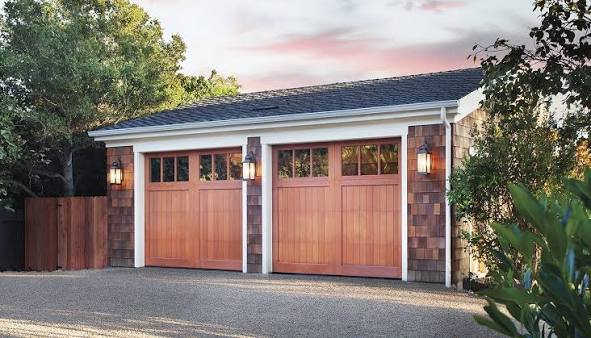
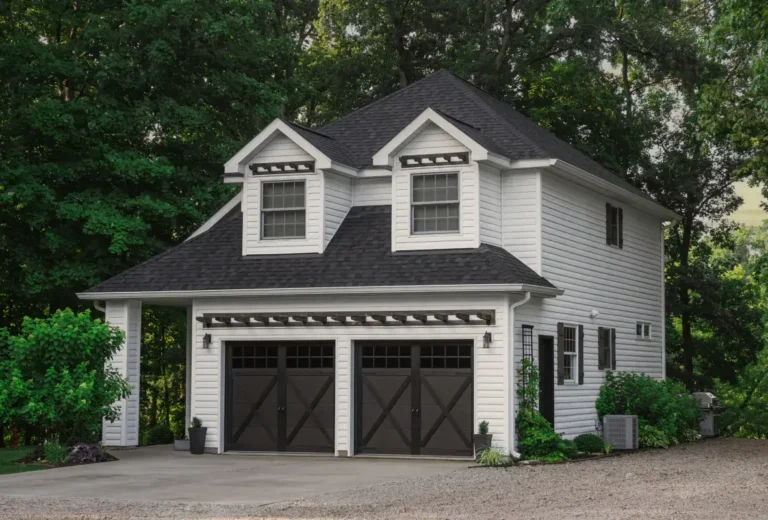
American residential architecture frequently draws inspiration from historic agricultural outbuildings, mountain lodges, and pastoral farmhouses. Best Rustic Garage Doors Usa. The large primary entry bay serves as a prominent visual feature on these traditional homestead elevations. Selecting appropriate carriage-style cladding requires balancing authentic artisanal aesthetics with modern structural insulation requirements. Homebuilders seek substantial timber textures and period-correct iron hardware that withstand severe weather variations.
Evaluating heavy traditional assemblies involves understanding wood moisture dynamics, thermal R-values, and heavy-duty counterbalance hardware limits. Regional climate zones across the country expose natural wood surfaces to intense UV radiation, heavy winter snow loads, and high humidity cycles. Property owners must navigate wood species selection and protective finishing options to prevent warping and decay. Navigating these choices requires deep insight into traditional manufacturing methods.
Understanding “best rustic garage doors usa”
The phrase best rustic garage doors usa encompasses premium handcrafted timber species, authentic swing-out optical illusions, and durable composite alternatives designed for traditional American properties. Industry professionals evaluate wood grain density, iron strap hardware quality, and polyurethane insulation cores to achieve lasting performance.
Misunderstandings in Traditional Selection
A frequent misconception assumes that solid natural timber panels require zero upkeep once installed on a residential garage. Real wood responds to ambient humidity changes by expanding and contracting throughout seasonal cycles. Regular sealing prevents splitting and moisture damage.
Another common error involves ignoring total door weight when specifying heavy hardwood carriage designs. Standard residential spring setups cannot lift dense timber panels without auxiliary high-cycle torsion upgrades. Engineers must specify heavy-duty springs to match the door mass.
Comparative Rustic Styles and Structural Performance
| Rustic Door Style | Primary Material | Thermal Efficiency | Maintenance Needs | Weight Class |
| Solid Cedar Carriage | Western Red Cedar | Moderate (Natural Wood) | High (Annual Sealing) | Heavy |
| Faux-Wood Composite | Polyurethane / Steel | Superior (Insulated Core) | Low (Washing Only) | Moderate |
| Distressed Knotty Alder | Knotty Alder Timber | Moderate | High (Stain Upkeep) | Heavy |
| Stamped Steel Wood-Grain | Galvanized Steel | High (Polystyrene Core) | Minimal | Light |
Architectural Evolution of Rural and Traditional American Homesteads
Early American agrarian architecture relied on heavy timber framing and hand-pegged swing doors built from locally harvested pine, oak, or cedar. These utilitarian carriage structures served working farms where animal traction and grain storage required large, uninsulated openings. Maintenance involved basic mineral oil treatments and occasional iron strap forging by local blacksmiths.
The mid-twentieth century transition toward suburban automobile integration led to the widespread adoption of standardized steel overhead doors. Traditional aesthetics faded as tract housing favored uniform flush or raised steel panels painted in neutral modern tones. This standardization ignored regional vernacular styles for decades.
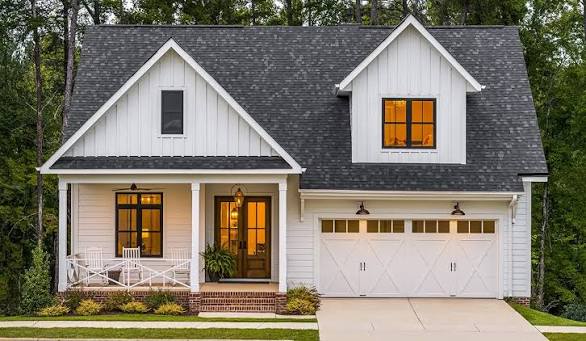
Recent architectural trends favor a return to authentic historical detailing across suburban and rural residential developments. Homeowners commission custom carriage house designs featuring decorative cross-bucks, strap hinges, and simulated swing-out hardware. This revival elevates traditional craftsmanship into a primary focal point of modern country-style homes.
Conceptual Frameworks and Material Selection Models
Analyzing traditional wood and rustic entryways requires evaluating material choices through specific structural models.
The Moisture Equilibrium Index
This framework tracks how relative humidity affects internal wood moisture content, predicting seasonal expansion and contraction forces.
The Thermal Mass and Insulation Matrix
Rustic doors must balance thick exterior timber cladding with internal polyurethane insulation to meet modern building energy codes.
The Structural Load Distribution Model
Heavy wood panels require robust horizontal track reinforcement and high-torque torsion springs to prevent premature hardware fatigue.
Primary Rustic Door Styles and Performance Trade-Offs
Navigating traditional entry options involves exploring distinct material variations and their inherent trade-offs.
Solid Cedar Carriage House Panels
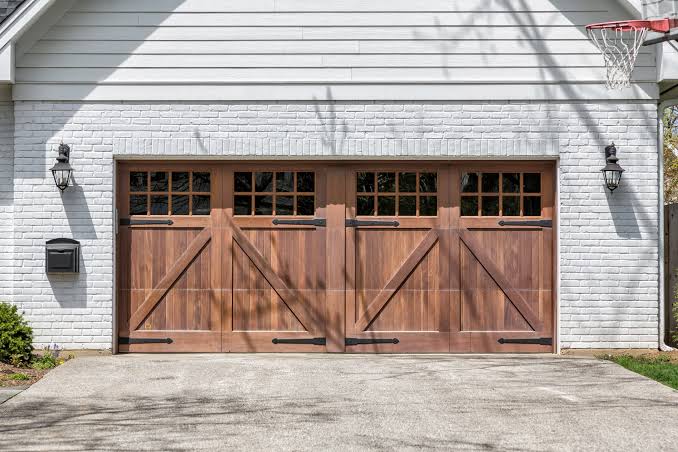
Handcrafted Western Red Cedar panels featuring authentic vertical tongue-and-groove boards and cross-brace overlays.
Strengths and Structural Limits
-
Strengths: Natural resistance to insect decay and stunning organic grain patterns.
-
Limits: High initial acquisition cost and heavy weight load.
Faux-Wood Polyurethane Composite Doors
Steel-backed panels molded with deep composite overlays that replicate painted or stained wood grain.
Strengths and Performance Limits
-
Strengths: Exceptional thermal efficiency and zero risk of warping or rotting.
-
Limits: Lacks the organic warmth and tactile authenticity of genuine timber.
Distressed Knotty Alder Custom Assemblies
Selected hardwood timber featuring knots, mineral streaks, and hand-distressed surface textures.
Strengths and Performance Limits
-
Strengths: Unmatched rustic character and rugged structural mass.
-
Limits: Requires frequent staining and protective UV clear-coat maintenance.
Stamped Steel Wood-Patterned Panels
Embossed galvanized steel sheets printed with high-resolution photographic wood grain patterns.
Strengths and Performance Limits
-
Strengths: Highly affordable, lightweight, and virtually maintenance-free.
-
Limits: Artificial grain appearance up close; limited custom hardware integration.
| Rustic Category | Core Construction | Aesthetic Authenticity | Maintenance Effort | Price Tier |
| Solid Cedar | Natural Timber | Maximum | Intensive | Premium |
| Faux-Wood Composite | Insulated Steel | High | Low | High |
| Knotty Alder | Solid Hardwood | Maximum | High | Premium |
| Stamped Steel | Embossed Metal | Moderate | Minimal | Moderate |
Detailed Real-World Implementation Scenarios Best Rustic Garage Doors Usa
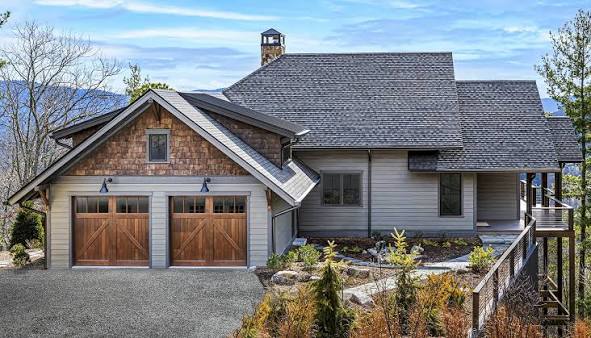
Selecting and installing traditional rustic systems requires aligning aesthetic goals with specific environmental constraints.
Scenario A: Mountain Cabin in the Rocky Mountains
-
Environment: High-altitude alpine region subject to intense winter snow loads and extreme UV radiation.
-
Core Requirement: Preventing moisture absorption and freeze-thaw splitting on exterior wood surfaces.
-
Selected Solution: Installing heavy Western Red Cedar panels sealed with marine-grade UV-blocking penetrating oils.
-
Operational Result: Preserved natural wood elasticity and prevented seasonal splitting through severe winters.
Scenario B: Coastal Farmhouse in the Pacific Northwest
-
Environment: High-humidity coastal microclimate prone to continuous rain and salt-laden air.
-
Core Requirement: Preventing rust staining from decorative iron strap hinges and protecting timber from rot.
-
Selected Solution: Specifying rot-resistant cedar paired with powder-coated marine-grade stainless steel hardware.
-
Operational Result: Eliminated galvanic corrosion and protected wood integrity against constant moisture exposure.
Scenario C: Suburban Modern-Rustic Estate
-
Environment: Traditional suburban lot requiring low-maintenance materials that match surrounding stone veneer.
-
Core Requirement: Achieving a rustic carriage house look without demanding annual wood staining chores.
-
Selected Solution: Installing faux-wood composite overlay doors with custom black iron strap handles.
-
Operational Result: Delivered authentic rustic curb appeal while eliminating ongoing homeowner maintenance tasks.
Scenario D: Hot Desert Ranch in Arizona
-
Environment: Arid desert climate featuring extreme daytime heat and intense solar exposure.
-
Core Requirement: Preventing wood panels from drying out, shrinking, and pulling apart at glued joints.
-
Selected Solution: Selecting stabilized Knotty Alder timber treated with specialized thermal barrier sealants.
-
Operational Result: Maintained structural panel tightness despite harsh thermal expansion cycles.
Financial Resource Planning and Cost Dynamics
Evaluating financial commitments involves analyzing direct material expenses, professional installation labor, and long-term property valuation impacts.
Comprehensive Cost Structure Analysis
| Expenditure Component | Standard Steel Alternative | Custom Solid Timber Rustic | Potential Variance |
| Material Procurement | $1,000 – $2,200 | $5,000 – $16,000+ | Significant Investment Tier |
| Professional Installation | $350 – $700 | $1,200 – $3,000 | Complex Counterbalance Labor |
| Periodic Maintenance Outlays | Minimal | $300 – $800 Annually | Ongoing Upkeep Investment |
| Property Appraisal Impact | Standard Return | High Architectural ROI | Maximized Resale Appeal |
Tools, Installation Gear, and Support Systems
Executing successful heavy rustic door installations requires specialized handling tools, heavy-duty springs, and safety equipment.
High-Torque Torsion Winding Bars
Safely manages high-tension spring adjustments required to lift heavy solid wood assemblies.
Heavy-Duty Lifting Jacks
Supports massive timber panels securely during bottom bracket and track alignment work.
Cordless Impact Drivers
Drives heavy lag screws securely into wood framing and mounting brackets.
Essential Installation Support Equipment
-
Laser Alignment Levels: Ensures precise horizontal and vertical tracking for heavy custom panels.
-
Marine-Grade Sealant Applicators: Waterproofs wood joints and hardware mounting holes against moisture entry.
-
Heavy-Duty Roller Assemblies: Utilizes reinforced nylon rollers with steel stems to carry heavy door weight smoothly.
Structural Risk Landscape and Failure Taxonomy Best Rustic Garage Doors Usa
Neglecting the weight and environmental requirements of traditional doors introduces severe operational hazards.
Torsion Spring Overload Failures
Undersized springs snap quickly under the extreme weight of solid hardwood carriage assemblies.
Wood Swelling and Binding
Unsealed timber absorbing high moisture swells inside tracks, causing the door to jam mid-travel.
Decorative Hardware Rust Bleed
Low-quality iron straps rust rapidly in damp weather, staining expensive wood panels with orange streaks.
Governance, Inspection Protocols, and Adaptation Cycles
Maintaining heavy traditional rustic systems requires structured inspection schedules and specialized care routines.
Semi-Annual Maintenance Protocol
-
Examine Wood Sealant: Check exterior timber surfaces for dull patches or water absorption indicating a need for resealing.
-
Inspect Hardware Fasteners: Verify that heavy iron strap screws remain tightly anchored into wood panels.
-
Lubricate Moving Parts: Apply silicone spray to rollers and hinges to ensure smooth, quiet travel.
Annual Structural Audit
-
Test Counterbalance Balance: Disconnect the automatic opener halfway to verify that springs hold the heavy door securely.
-
Check Bottom Seal Compression: Inspect bottom rubber astragals for weather cracks or flattening.
Performance Metrics and Evaluation Systems
Evaluating the success of rustic door installations involves tracking thermal retention, wood moisture levels, and operational smoothness.
Critical Evaluation Indicators
-
Balanced Manual Lift: Effortless manual operation confirms proper high-torque spring calibration.
-
Moisture Stability: Wood panels maintaining consistent gap spacing confirm successful seasonal adaptation.
-
Thermal Envelope Efficiency: Consistent indoor garage temperatures validate insulation performance.
-
Finish Longevity: Unblemished wood stains confirm effective UV and moisture protection.
Common Misconceptions and Technical Realities Best Rustic Garage Doors Usa
Clearing up widespread industry myths helps homeowners make rational decisions when purchasing rustic garage entries.
Myth 1: “Real Wood Doors Are Too Heavy for Automatic Openers”
Reality: Modern high-torque commercial-grade openers paired with upgraded torsion springs easily lift heavy timber doors.
Myth 2: “All Rustic Wood Doors Require Identical Maintenance”
Reality: Factory-finished composite faux-wood doors require zero staining, unlike raw natural cedar or alder.
Myth 3: “Decorative Iron Hardware Is Structural”
Reality: Most strap hinges and handles on modern carriage doors are decorative surface accessories, not functional swing hinges.
Myth 4: “Standard Insulation Does Not Matter for Wood Doors”
Reality: Quality rustic doors incorporate rigid internal polyurethane cores to maintain household energy efficiency.
Environmental and Building Code Considerations
Installing traditional wood and heavy custom entries involves compliance with regional building codes and municipal energy standards.
Local building regulations often mandate specific wind-load reinforcement ratings for wide residential doors, especially in coastal or high-wind zones. Ensuring structural compliance protects the home against storm damage.
Proper disposal of old timber panels and metal hardware should follow local municipal recycling and waste management guidelines.
Conclusion
Selecting and maintaining the best rustic garage doors usa requires synthesizing traditional aesthetic craftsmanship, rigorous wood moisture management, heavy-duty mechanical engineering, and disciplined maintenance routines. Property owners who invest in quality timber species, verify high-torque spring systems, and apply protective UV finishes ensure long-term structural reliability, enhanced energy efficiency, and striking traditional curb appeal.