How to Manage Garage Doors Seal Degradation: Complete Guide
Exterior building components face constant atmospheric stress from solar ultraviolet rays, moisture cycling, and physical friction. Garage entry perimeters feature vulnerable rubber and vinyl weatherstripping designed to block air drafts, water infiltration, and insect entry. How to Manage Garage Doors Seal Degradation. Over time, these flexible gaskets lose elasticity, harden, and crack under severe environmental pressure. Unmitigated weatherstrip deterioration compromises the thermal envelope of the entire residential structure.
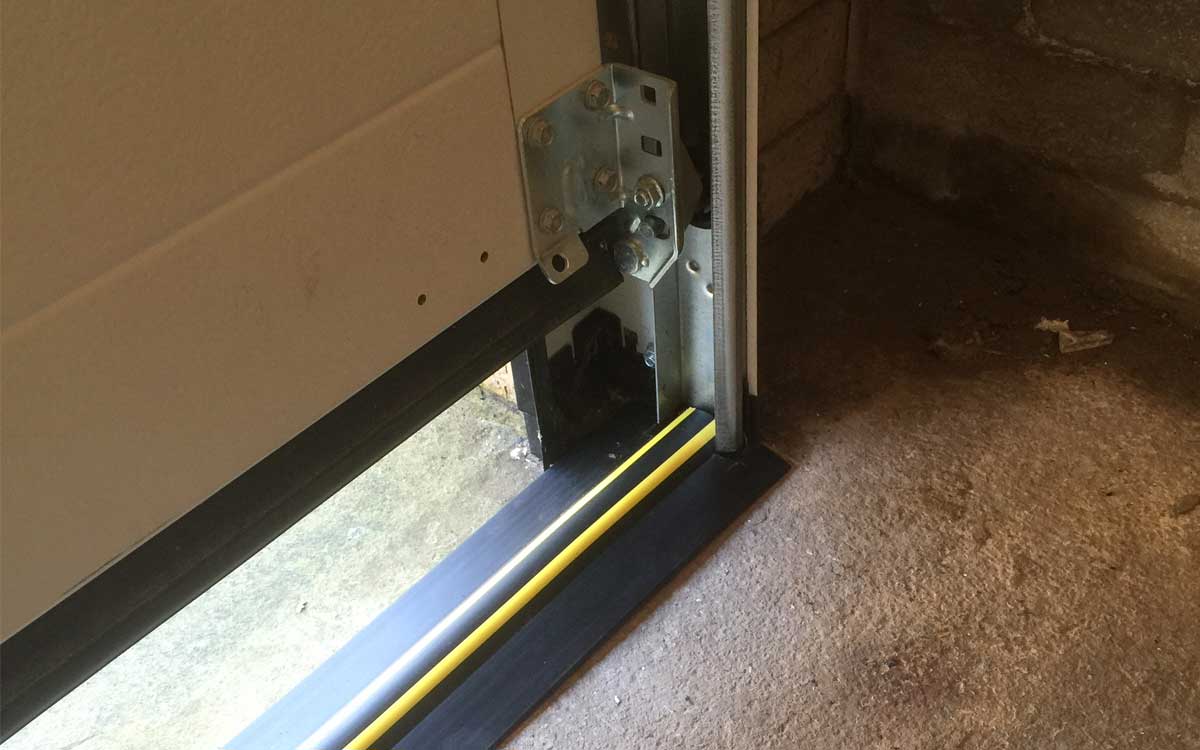
Addressing envelope wear requires systematic inspection of bottom astragals, side jamb gaskets, and top header seals. Property owners often ignore minor surface cracking until water puddles inside the garage floor or winter heating bills spike. Implementing proactive material maintenance prevents unexpected failures and extends the operational lifespan of the closure system. Understanding polymer aging dynamics helps maintain optimal thermal efficiency.
Understanding “how to manage garage doors seal degradation”
The phrase how to manage garage doors seal degradation encompasses diagnostic inspection workflows, polymer conditioning techniques, and planned replacement strategies designed to counter environmental wear. Property owners analyze gasket elasticity to determine when restorative conditioning suffices versus complete material replacement.
Misunderstandings in Seal Decay Mitigation
A frequent misconception assumes that applying surface lubricants stops internal polymer breakdown permanently. While silicone sprays preserve outer suppleness, they cannot reverse molecular cross-linking caused by prolonged ultraviolet exposure. Deeply oxidized rubber requires physical replacement rather than chemical restoration.
Another common error involves trimming cracked gasket ends instead of installing continuous new material. Splicing old sections leaves microscopic gaps that permit wind-driven rain and cold drafts to enter the building interior. Complete profile renewal ensures uninterrupted weather resistance.
Comparative Seal Degradation Symptoms and Solutions
| Observable Symptom | Primary Material Cause | Corrective Action | Long-Term Prevention |
| Surface Cracking and Splitting | UV Radiation Exposure | Complete Gasket Replacement | Apply UV-Resistant Protectant |
| Permanent Compression Flatness | Weight and Thermal Stress | Install Dense EPDM Rubber | Adjust Bottom Limit Switch |
| Brittleness in Freezing Weather | Low-Grade PVC Formulation | Upgrade to Silicone Compound | Seasonal Conditioning Spray |
| Loose Fit in Metal Retainers | Track Distortion or Shrinkage | Secure Retainer and Replace Seal | Annual Fastener Check |
Historical Evolution of Building Envelope Weatherstripping
Early residential outbuildings utilized basic felt strips or nailed leather flaps to seal large carriage door gaps. These primitive barriers absorbed moisture rapidly, rotted within months, and offered minimal defense against driving rain. Property owners accepted high energy losses as an unavoidable cost of detached architecture.
The mid-twentieth century introduction of sectional steel garage doors prompted the development of extruded synthetic rubber and flexible vinyl gaskets. Industrial chemical advances produced elastomeric compounds that maintained flexibility across wider temperature swings. These manufactured profiles improved indoor climate control for attached residential garage spaces.
Recent decades introduced advanced ethylene propylene diene monomer rubber and co-extruded thermoplastic elastomers designed to resist environmental ozone and solar degradation. Modern manufacturing bonds these durable polymers directly into aluminum retainer tracks. Understanding this historical progression highlights the shift toward long-lasting synthetic materials.
Conceptual Frameworks and Material Aging Models How to Manage Garage Doors Seal Degradation
Analyzing polymer decay requires evaluating material breakdown through specific scientific frameworks.
The Polymer Cross-Linking Decay Index
This model evaluates how ultraviolet radiation breaks molecular bonds within rubber matrices, causing loss of elasticity and surface cracking.
The Thermal Stress and Compression Cycle
Repeated daily temperature swings cause expansion and contraction, accelerating fatigue where gaskets contact concrete floors.
The Environmental Exposure Gradient
Microclimates dictate decay rates. High-altitude properties experience intense UV radiation, whereas coastal zones accelerate metal track oxidation.
Primary Seal Variations and Performance Trade-Offs
Navigating weatherstrip upkeep requires exploring distinct material categories and their inherent operational trade-offs.
Standard Polyvinyl Chloride Flaps
Inexpensive extruded plastic weather-stripping nailed or screwed to exterior wood jambs.
Strengths and Operational Limits
-
Strengths: Low initial cost and easy cutting with standard utility shears.
-
Limits: Becomes brittle and shatters during severe winter temperature drops.
EPDM Synthetic Rubber Gaskets
Heavy-duty synthetic rubber profiles engineered for superior ozone and weather resistance.
Strengths and Performance Limits
-
Strengths: Exceptional elasticity, long operational lifespan, and excellent cold-weather performance.
-
Limits: Higher initial purchase price compared to standard vinyl strips.
Silicone Composite Threshold Seals
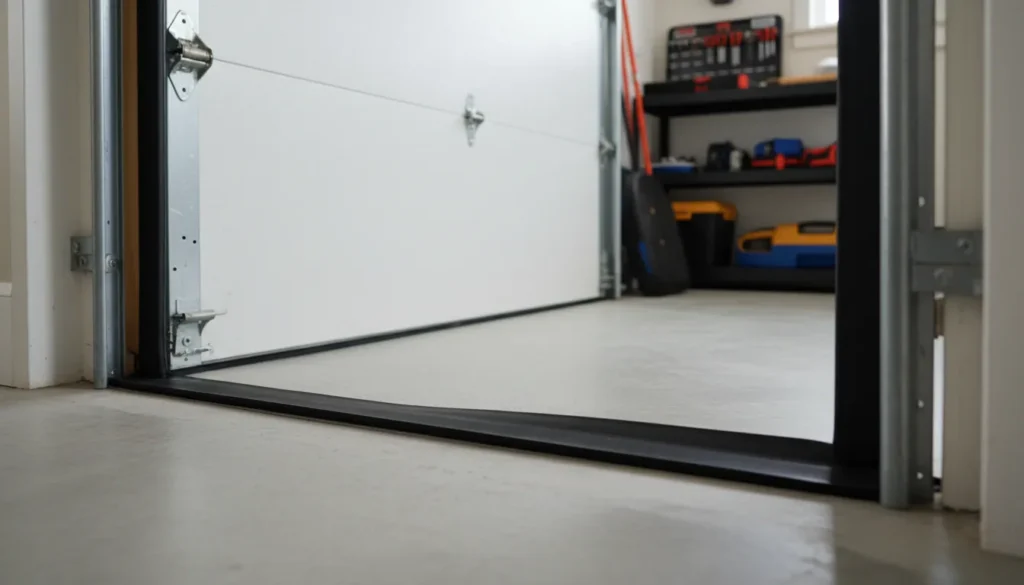
Premium flexible silicone gaskets molded into wide U-shaped profiles for bottom floor sealing.
Strengths and Performance Limits
-
Strengths: Withstands extreme heat and sub-zero cold without losing shape or cracking.
-
Limits: Premium material cost requires higher initial project investment.
Polypropylene Brush Strip Assemblies
Dense bristle arrays mounted in rigid aluminum bases for high-frequency dust and pest control.
Strengths and Performance Limits
-
Strengths: Maintains performance across high cycle rates and resists wind flutter.
-
Limits: Permits minor convective air movement compared to solid rubber gaskets.
| Seal Material Type | UV Resistance | Cold Flexibility | Cost Tier | Average Lifespan |
| Polyvinyl Chloride | Low | Poor | Low | 1 – 3 Years |
| EPDM Synthetic Rubber | High | Excellent | Moderate | 5 – 10 Years |
| Silicone Composite | Superior | Outstanding | High | 10 – 15 Years |
| Polypropylene Brush | High | Good | Moderate | 5 – 8 Years |
Detailed Real-World Implementation Scenarios How to Manage Garage Doors Seal Degradation
Countering weatherstrip decay requires aligning intervention strategies with specific environmental and structural constraints.
Scenario A: Intense Desert Solar Exposure
-
Environment: Arid inland region experiencing extreme ultraviolet radiation and high daytime temperatures.
-
Core Requirement: Preventing rapid polymer hardening and surface splitting on south-facing garage doors.
-
Selected Solution: Installing heavy-duty EPDM rubber gaskets treated with specialized UV-inhibiting protectant sprays.
-
Operational Result: Doubled expected material lifespan by blocking solar-induced molecular cross-linking.
Scenario B: Freezing Northern Mountain Zone
-
Environment: High-altitude property subjected to heavy snow loads and sub-zero winter freezes.
-
Core Requirement: Preventing bottom threshold gaskets from freezing solid to concrete floors.
-
Selected Solution: Upgrading to flexible silicone composite bottom astragals treated with non-stick silicone grease.
-
Operational Result: Eliminated winter door freezing incidents and maintained tight floor contact.
Scenario C: Coastal Salt-Spray Environment
-
Environment: Waterfront location exposed to high winds, salt moisture, and metal-corroding mist.
-
Core Requirement: Preventing galvanic corrosion between aluminum retainers and mounting screws.
-
Selected Solution: Replacing rusted steel fasteners with 316 marine-grade stainless steel screws and applying EPDM seals.
-
Operational Result: Stopped rust staining and preserved structural weather barrier integrity.
Scenario D: Suburban High-Pest Area
-
Environment: Residential lot surrounded by dense landscaping prone to rodent and insect intrusion.
-
Core Requirement: Blocking small animal entry through bottom and side gaps without chemical traps.
-
Selected Solution: Installing dense aluminum brush headers paired with reinforced rubber bottom astragals.
-
Operational Result: Successfully excluded pests while maintaining effective thermal sealing.
Financial Resource Planning and Cost Dynamics
Evaluating financial commitments involves analyzing direct material expenses, professional labor costs, and long-term utility impacts.
Comprehensive Cost Structure Analysis
| Expenditure Component | Professional Service Route | Independent DIY Replacement | Potential Variance |
| Material Procurement | $75 – $150 (Markup Included) | $25 – $60 (Retail Direct) | Significant Savings |
| Service Dispatch Fee | $120 – $250 (Callout Charge) | $0 (Self-Executed) | 100 Percent Savings |
| Utility Impact (Annual) | High Loss if Unsealed | Minimal Air Leakage | Cumulative Savings |
| Maintenance Outlays | Moderate (Frequent Contractor Calls) | Low (Periodic Cleaning) | Long-Term Value |
Tools, Maintenance Equipment, and Support Systems
Executing effective weatherstrip management requires basic hand tools, cleaning solutions, and protective conditioning agents.
Utility Cutting Shears
Ensures clean, precise trimming of rubber and vinyl profiles without jagged edges.
Silicone Conditioning Sprays
Lubricates rubber surfaces to maintain molecular suppleness and prevent environmental drying.
Stiff Nylon Cleaning Brushes
Removes dirt, grit, and organic debris from aluminum retainer channels before inserting new gaskets.
Essential Maintenance Support Equipment
-
Silicone Lubricating Grease: Applied to bottom astragals to prevent sticking against frozen concrete.
-
Socket Wrenches and Drivers: Secures loose aluminum retainer track screws and mounting brackets.
-
Microfiber Rags: Wipes down rubber surfaces during routine semi-annual cleaning protocols.
Structural Risk Landscape and Failure Taxonomy
Ignoring weatherstrip deterioration introduces severe environmental and structural risk factors.
Water Inpooling and Foundation Seepage
Degraded bottom astragals permit rainwater to flood the garage floor, risking stored item damage and concrete degradation.
Convective Thermal Inefficiency
Gaps around side jambs allow conditioned indoor air to escape, increasing household heating and cooling utility burdens.
Pest and Rodent Infiltration
Flattened or chewed rubber gaskets create entry portals for mice, rats, and insects seeking shelter.
Governance, Inspection Protocols, and Adaptation Cycles
Maintaining envelope protection requires structured inspection schedules and timely replacement triggers.
Semi-Annual Inspection Protocol
-
Examine Bottom Astragal Elasticity: Press down on the bottom rubber seal to verify it rebounds fully to its original shape.
-
Inspect Side Jamb Contact: Check that side vinyl or brush gaskets press firmly against closed door panels without light gaps.
-
Clean Gasket Surfaces: Wipe accumulated dust and road grime off exterior seals using mild soapy water and a soft brush.
Annual Material Review
-
Assess Polymer Hardening: Feel rubber surfaces for signs of stiffness or micro-cracking indicating end-of-life decay.
-
Verify Fastener Tightness: Inspect all screws securing aluminum retainer tracks to wood or masonry jambs.
Performance Metrics and Evaluation Systems
Evaluating weatherstrip management success involves tracking air infiltration reductions, thermal retention, and material elasticity.
Critical Evaluation Indicators
-
Visual Light Test: Total darkness inside the garage with the closed door confirms proper perimeter sealing.
-
Draft Detection: Absence of air movement along floor and side jambs validates effective barrier performance.
-
Polymer Recovery Rate: Gaskets returning instantly to shape after door closure demonstrate optimal elasticity.
-
Utility Cost Stability: Consistent seasonal energy bills confirm maintained thermal envelope integrity.
Common Misconceptions and Technical Realities
Clearing up widespread industry myths helps property owners make rational decisions regarding weatherstrip maintenance.
Myth 1: “Lubricating Old Rubber Restores Original Elasticity”
Reality: While surface conditioners prevent drying, they cannot reverse internal molecular cross-linking caused by severe UV exposure.
Myth 2: “All Garage Door Seals Offer Equal Weather Resistance”
Reality: Premium EPDM rubber and silicone compounds outperform cheap PVC vinyl strips significantly across extreme climates.
Myth 3: “Replacing Aluminum Retainer Tracks Is Always Necessary”
Reality: Metal retainer tracks last for decades; sliding new rubber inserts into existing channels saves substantial money.
Myth 4: “Caulking Moving Door Panels Stops Air Leaks”
Reality: Applying rigid caulk around moving door sections prevents operation; flexible dedicated gaskets are mandatory.
Environmental and Building Code Considerations
Managing weatherstrip performance involves compliance with local energy conservation codes and municipal environmental guidelines.
Modern building envelopes must comply with regional energy efficiency mandates that restrict air leakage in residential structures. Installing effective garage door weather barriers ensures compliance with local residential building codes.
Disposing of old synthetic rubber and vinyl materials should follow local municipal recycling regulations to minimize environmental waste impacts.
Conclusion
Managing weatherstrip decay requires synthesizing polymer science, environmental exposure analysis, disciplined inspection routines, and timely component replacement. Property owners who clean gaskets regularly, apply protective silicone conditioners, and install durable EPDM or silicone materials ensure long-term thermal efficiency, protect the building envelope, and maintain reliable daily performance across seasonal climate extremes.