How to Avoid Garage Doors Track Misalignment: Expert Guide
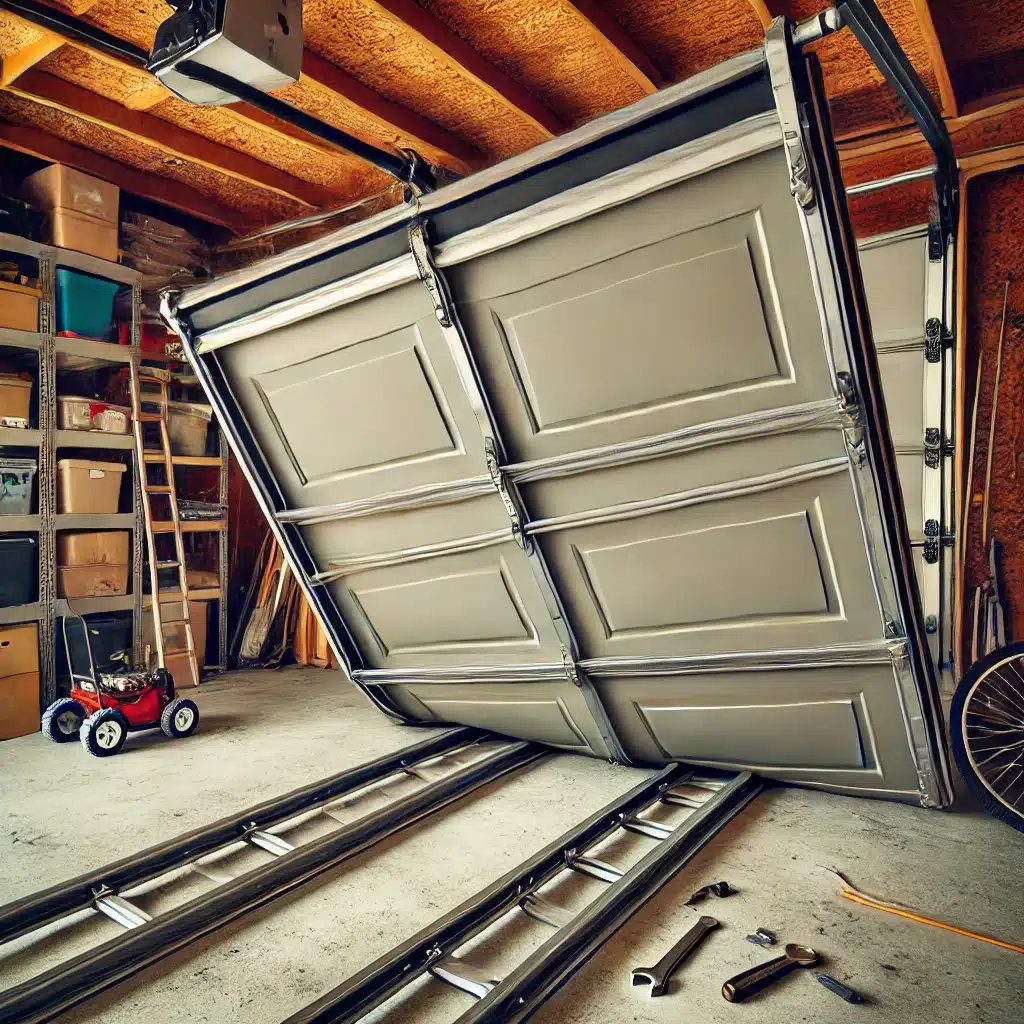
Heavy residential overhead doors rely on precise parallel steel tracks to guide multi-ton panels smoothly through vertical and horizontal transition arcs. Mechanical stability depends entirely on rigid wall anchoring, secure bracket fastenings, and balanced lifting tension. How to Avoid Garage Doors Track Misalignment. When track alignment drifts out of tolerance, friction increases dramatically, causing premature wear on rollers, cables, and motor gears. Property owners frequently overlook subtle shifting until severe binding or complete derailment occurs.
Mastering how to avoid garage doors track misalignment requires comprehensive insight into mechanical engineering, structural dynamics, and material fatigue. Continuous vibration from high-torque automatic openers gradually loosens mounting bolts fastened into wood studs or concrete masonry. Seasonal temperature fluctuations also induce thermal expansion differentials across steel channels and building frameworks. Preventative maintenance strategies must account for these constant environmental and mechanical stresses.
Establishing long-term reliability involves systematic hardware audits, proper fastener torque management, and vibration dampening interventions. Builders and homeowners who prioritize structural integrity prevent costly emergency service calls. Maintaining perfect vertical and horizontal plumb lines ensures silent, effortless operation across thousands of operational cycles.
Understanding “how to avoid garage doors track misalignment”
The phrase how to avoid garage doors track misalignment encompasses proactive engineering practices, rigid structural mounting techniques, and scheduled hardware inspections designed to prevent lateral shifting. Property owners analyze mechanical tolerances to ensure that steel guide channels remain perfectly parallel and plumb under load.
Misunderstandings in Track Stability Claims
A frequent misconception assumes that once a professional installation is completed, garage tracks remain permanently locked in position. Continuous mechanical vibration generated by automatic openers naturally works fasteners loose over time. Regular torque verification is mandatory for sustained operational safety.
Another common error involves attempting to correct alignment issues by hammering bent tracks back into place with manual hand tools. Striking high-strength steel channels without proper leverage creates localized metal distortion and worsens friction. Successful correction requires loosening mounting brackets and adjusting plumb lines systematically.
Comparative Track Stability and Upkeep Factors
| Track Support Method | Vibration Resistance | Fastener Holding Strength | Adjustment Flexibility | Maintenance Interval |
| Direct Wood Stud Mounting | Moderate | High (With Lag Screws) | High | Semi-Annual Audit |
| Masonry Sleeve Anchors | High | Very High | Moderate | Annual Inspection |
| Reinforced Angle Iron | Superior | Exceptional | High | Bi-Annual Check |
| Standard Clip Brackets | Low to Moderate | Moderate | Moderate | Quarterly Review |
Historical Evolution of Overhead Track Systems
Early industrial and residential carriage houses utilized simple top-hung sliding wooden doors that rolled along single overhead rails. These rudimentary systems lacked vertical curve transitions and binding protections, frequently jumping off rails during heavy winds. Property owners managed operations manually using ground-mounted guide pins.
The mid-twentieth century introduction of sectional garage doors transformed mechanical design by incorporating curved steel tracks. These engineered channels guided multi-panel assemblies seamlessly from a vertical wall position into an overhead horizontal plane. Standardized roll-formed steel replaced custom blacksmith iron, improving manufacturing consistency.
Recent decades introduced heavy-gauge galvanized steel tracks, reinforced mounting brackets, and nylon-isolated roller assemblies. Modern structural analysis software allows engineers to design track configurations that withstand severe wind loads and heavy daily usage. Understanding this historical progression highlights the importance of rigid mechanical mounting.
Conceptual Frameworks and Mechanical Mental Models
Analyzing structural track stability requires evaluating mechanical systems through specific engineering frameworks.
The Harmonic Vibration Dissipation Model
This model evaluates how kinetic energy from motor operations travels through tracks and fasteners. Introducing rubber dampening pads prevents vibrational waves from loosening wall anchors.
The Load Distribution Equilibrium
Overhead tracks bear lateral and vertical forces simultaneously. Maintaining equal spacing between left and right guide channels prevents binding and uneven roller wear.
The Thermal Expansion Differential
Steel tracks and building frames expand and contract at differing rates under temperature shifts. Designing slotted mounting holes allows controlled sliding without buckling.
Primary Track Categories and Structural Trade-Offs How to Avoid Garage Doors Track Misalignment
Selecting and maintaining enduring track systems involves exploring diverse structural configurations, each offering distinct engineering trade-offs.
Standard Radius Vertical and Horizontal Tracks
The most common residential configuration, utilizing a standard curved radius to transition from wall to ceiling.
Strengths and Operational Limits
-
Strengths: Compatible with most standard garage ceiling heights and spring configurations.
-
Limits: Requires significant overhead clearance space for horizontal runs.
High-Lift Track Assemblies
Configured to elevate the door higher up the wall before turning horizontal, maximizing vertical interior clearance.
Strengths and Operational Limits
-
Strengths: Ideal for workshops requiring tall vehicle clearance or ceiling-mounted hoists.
-
Limits: Puts higher stress on wall-mounting brackets and requires specialized torsion spring placement.
Low-Headroom Dual-Track Systems
Designed for properties with extremely restricted ceiling space between the top door opening and ceiling joists.
Strengths and Operational Limits
-
Strengths: Fits into tight architectural spaces where standard curves cannot be installed.
-
Limits: More complex mechanical linkage requires frequent alignment and tension checks.
Side-Mounting Custom Tracks
Specialized tracks that slide horizontally along interior side walls rather than overhead.
Strengths and Operational Limits
-
Strengths: Completely eliminates ceiling track clutter in unique architectural layouts.
-
Limits: Restricted to specific custom door widths and requires meticulous wall plumbness.
| Track System Type | Overhead Clearance Need | Mechanical Complexity | Alignment Stability | Best Application |
| Standard Radius | 12 to 15 Inches | Low | High | Standard Residential |
| High-Lift Tracks | 24 to 72+ Inches | Moderate | Moderate to High | Commercial / Workshop |
| Low-Headroom Dual | 4 to 9 Inches | High | Moderate | Restricted Ceilings |
| Side-Sliding Custom | Zero Overhead | High | Low to Moderate | Specialized Architecture |
Real-World Implementation Scenarios How to Avoid Garage Doors Track Misalignment
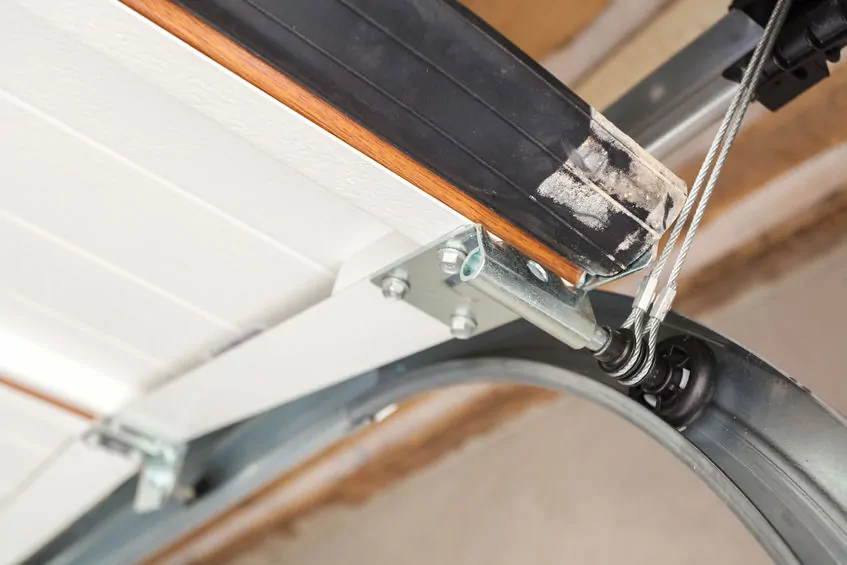
Deploying stable track configurations requires aligning installation methods with distinct architectural and environmental constraints.
Scenario A: Vibrating Commercial-Grade Opener
-
Environment: High-frequency residential garage operating heavy wood-composite doors multiple times daily.
-
Core Requirement: Preventing fastener loosening caused by intense motor vibration.
-
Selected Solution: Upgrading to heavy-gauge reinforced steel angle iron mounts secured with lock washers and thread-locking fluid.
-
Operational Result: Eliminated annual track drift and maintained smooth roller travel under heavy operational loads.
Scenario B: Shifting Masonry Foundation
-
Environment: Older residence experiencing minor seasonal concrete foundation settling and wall shifting.
-
Core Requirement: Accommodating building movement without twisting guide tracks.
-
Selected Solution: Installing slotted mounting brackets that allow controlled micro-adjustments during seasonal shifts.
-
Operational Result: Prevented door binding and glass panel stress during foundation settling periods.
Scenario C: High-Humidity Coastal Garage
-
Environment: Waterfront property exposed to salt air condensation and rapid metal oxidation.
-
Core Requirement: Preventing rust-induced bracket distortion and fastener shear.
-
Selected Solution: Deploying hot-dipped galvanized steel tracks paired with marine-grade stainless steel mounting hardware.
-
Operational Result: Preserved structural plumbness and eliminated oxidation-weakened fastener failures.
Scenario D: Alpine Freezing Zone
-
Environment: Northern mountain home subjected to extreme sub-zero temperatures and frost heaves.
-
Core Requirement: Resisting thermal contraction stresses and frame distortion.
-
Selected Solution: Heavy-duty vertical jamb anchors bolted directly into structural timber framing with thermal break spacers.
-
Operational Result: Maintained track parallelism despite severe exterior temperature swings.
Financial Resource Planning and Cost Dynamics
Investing in robust track installations involves evaluating upfront hardware expenses, professional alignment labor, and long-term repair savings.
Comprehensive Cost Structure Analysis
| Expenditure Tier | Professional Alignment Service | DIY Preventive Maintenance | Potential Cost Variance |
| Initial Hardware Upgrades | $150 – $350 (Labor Included) | $30 – $80 (Materials Only) | 75 Percent Savings |
| Emergency Repair Callouts | $200 – $500 (Urgent Dispatch) | $0 (Prevented Entirely) | 100 Percent Savings |
| Replacement Roller Upgrades | $100 – $250 | $25 – $60 (Nylon Rollers) | Significant Savings |
| Long-Term Structural Health | High Reliability | Moderate Reliability | Optimized Lifespan |
Installation Tools, Hardware, and Support Systems How to Avoid Garage Doors Track Misalignment
Executing precision track alignment requires specialized measuring instruments, secure fastening hardware, and leveling tools.
Magnetic Torpedo Levels and Plumb Bobs
Essential tools for verifying that vertical track sections align perfectly with gravitational plumb lines.
Digital Torque Wrenches
Ensures that wall anchor bolts and bracket clamping screws are tightened to exact manufacturer specifications without stripping threads.
Thread-Locking Fluid and Lock Washers
Prevents operational vibration from backing out nuts and bolts over extended use cycles.
Essential Alignment Support Equipment
-
C-Clamps: Secures tracks temporarily to jamb brackets during fine-tuning adjustments.
-
Rubber Mallets: Allows gentle tapping of steel brackets without marring protective galvanizing coatings.
-
Socket Wrench Sets: Provides necessary leverage for tightening heavy lag screws into wood framing.
Structural Risk Landscape and Failure Taxonomy
Neglecting track alignment introduces severe mechanical and safety hazards that require strict risk management.
Sudden Cable Derailment
When tracks spread apart or twist, steel lift cables can slip off grooved drums, causing the door to drop unevenly.
Roller Binding and Track Scoring
Misaligned rollers grind against metal track edges, wearing down nylon tires and scoring steel surfaces.
Motor Burnout from Increased Friction
Forcing an automatic opener to drag a binding door strains the electric motor, leading to premature gear stripping or electrical failure.
Governance, Inspection Protocols, and Adaptation Cycles
Preserving mechanical alignment requires structured inspection schedules and timely hardware adjustments.
Semi-Annual Inspection Protocol
-
Verify Track Plumbness: Use a level to check that vertical track sections remain perfectly straight.
-
Check Bracket Fasteners: Inspect all wall anchor bolts and track clamping screws for looseness.
-
Measure Track Spacing: Confirm that the distance between opposing tracks remains identical from top to bottom.
Annual Structural Audit
-
Test Roller Freedom: Ensure all rollers spin freely inside track channels without pinching or binding.
-
Lubricate Pivot Points: Apply light machine oil to hinges and rollers while avoiding the interior track surfaces.
Evaluation Metrics and Performance Tracking Systems
Evaluating track stability involves tracking operational noise, motor load currents, and visual alignment indicators.
Critical Evaluation Indicators
-
Operational Acoustics: Quiet, uniform rolling sound indicates proper track alignment and minimal friction.
-
Manual Lifting Ease: A properly aligned door should lift smoothly by hand with minimal resistance when disconnected from the opener.
-
Visual Symmetry: Equal gaps between door edges and vertical jambs confirm correct lateral positioning.
-
Component Wear Uniformity: Even wear patterns across nylon roller tires demonstrate balanced load distribution.
Common Misconceptions and Technical Realities How to Avoid Garage Doors Track Misalignment
Clearing up industry myths helps property owners make rational decisions regarding garage door maintenance.
Myth 1: “Track Misalignment Fixes Itself Over Time”
Reality: Mechanical misalignment always worsens under continuous operation, eventually leading to catastrophic door derailment.
Myth 2: “Lubricating Track Interiors Helps Prevent Misalignment”
Reality: Greasing track interiors attracts dirt and grit, creating a sticky paste that causes rollers to skid and bind.
Myth 3: “Any Standard Screw Can Secure Garage Tracks”
Reality: Garage tracks endure massive vibration; only heavy-gauge lag screws or structural bolts provide adequate holding power.
Myth 4: “Adjusting Tracks Requires No Safety Precautions”
Reality: Working near high-tension springs and heavy door panels requires extreme caution and proper clamping procedures.
Environmental and Building Code Considerations
Installing and maintaining overhead door tracks involves compliance with local structural building codes and safety regulations.
Modern building codes mandate specific wind-load ratings for garage door assemblies, particularly in hurricane and high-wind zones. Tracks must be reinforced with heavy struts and robust wall anchors to prevent structural collapse during severe storms.
Adhering to manufacturer installation guidelines ensures that safety auto-reverse mechanisms function without binding resistance, protecting occupants and pets from accidental entrapment.
Conclusion
Preventing overhead track shifting requires synthesizing structural mechanics, vibration management, and disciplined inspection routines. Property owners who utilize quality hardware, maintain precise plumb lines, and perform regular torque audits ensure silent, reliable operation, protecting their investment and extending the operational lifespan of the entire garage entry system.